November 6, 2026
The Heating, Ventilation, and Air Conditioning (HVAC) market is undergoing a profound structural evolution, propelled largely by unprecedented development and modernization across the commercial building sector. As modern enterprises confront rising utility rates, stringent municipal emissions caps, and heightened corporate sustainability targets, indoor climate control is no longer treated as a background utility. Instead, HVAC systems have emerged as mission-critical assets central to operational cost reduction, indoor environmental quality, and long-term commercial property valuation.
Understanding the market drivers behind this expansion is essential for facility directors, developers, and property managers planning their next capital improvement cycle. From tightening green building codes and regional utility rebate programs to the rapid expansion of dense urban skylines, commercial projects are fundamentally defining the future of environmental infrastructure. The following analysis examines the economic forces, regulatory requirements, and technological breakthroughs currently driving growth and modernization across the commercial sector.
The Growing Demand for Energy Efficiency
Rising Energy Costs and Resource Scarcity
Escalating energy prices have heightened the demand for energy-efficient HVAC systems in the commercial sector. Companies are compelled to adopt technologies that minimize energy consumption, leading to reduced utility bills and improved sustainability. As energy resources become scarcer, the need to optimize usage through innovative HVAC solutions becomes increasingly critical. Businesses are exploring these options not only for cost-saving purposes but also as a strategic response to potential energy shortages. Commercial HVAC systems, which represent about 30% of the market, according to Workyard, thus play a pivotal role in reshaping energy consumption patterns.
Regulatory Push for Green Buildings
Governmental regulations have become a driving force in the movement towards greener commercial buildings. Regulations mandating the use of energy-efficient systems are instrumental in propelling the adoption of modern HVAC technologies. These policies are designed to reduce carbon footprints and foster sustainability within the building industry. By aligning with these regulations, companies can not only enjoy reduced energy costs but also benefit from potential incentives. Securing routine commercial HVAC service ensures building owners maintain strict compliance while optimizing operating efficiencies.
Technological Advancements in HVAC Systems
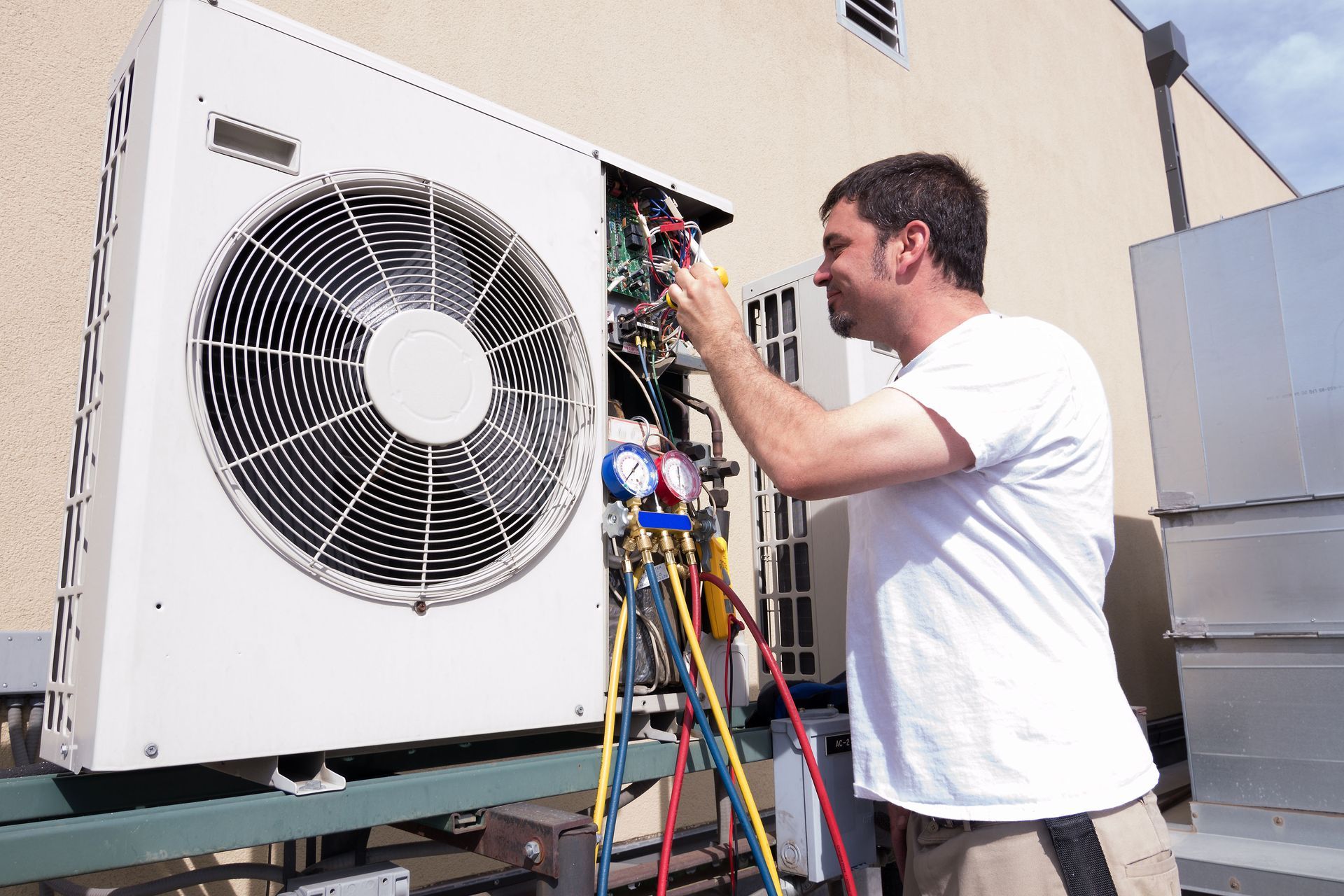
The rapid evolution of technology has revolutionized HVAC systems, making them smarter and more efficient than ever before. Innovations such as smart thermostats and integrated control systems enable precise energy management and usage tracking in commercial buildings. These technologies allow building managers to analyze energy consumption patterns and optimize HVAC operations accordingly. Enlisting professional commercial HVAC service facilitates real-time monitoring and predictive maintenance, further enhancing operational efficiency and driving the shift towards sustainable, cost-effective energy solutions.
Incentives and Rebates for Green Projects
Financial incentives and rebates are becoming increasingly accessible to businesses investing in green HVAC technologies. These monetary benefits significantly offset the initial costs of adopting advanced energy-efficient systems in commercial buildings. By promoting the installation of these systems, governments aim to accelerate the transition to eco-friendly standards across various industries. Moreover, incentives and rebates serve as a critical factor for companies considering upgrading their infrastructure. They enable businesses to recuperate investments quickly while achieving long-term energy savings and sustainability.
Impact of Urbanization on HVAC Markets
Expanding Urban Landscapes
The relentless pace of urbanization has profound implications for the HVAC market. As cities grow, the demand for efficient and adaptable HVAC systems burgeons, especially in densely populated urban environments. Increased urban development means a higher concentration of commercial structures requiring advanced climate control solutions. Partnering with a dependable commercial HVAC service allows facility operators to accommodate growing infrastructural demands through scalable, properly engineered systems that support sustainable urban expansion.
Industrial and Commercial Infrastructure Growth
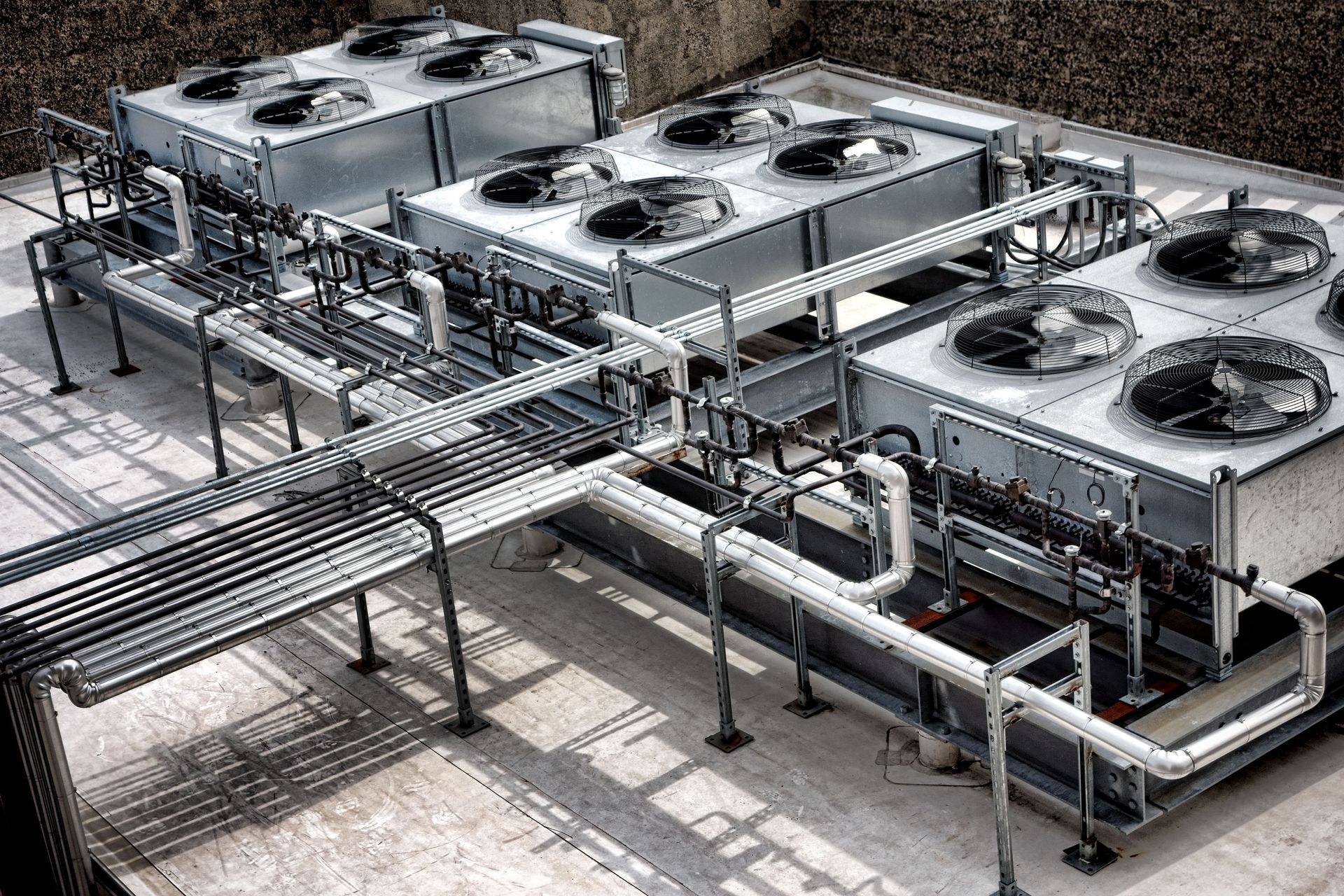
Commercial projects are a significant driver of HVAC market expansion, reflecting the ongoing growth of industrial and commercial infrastructures. New construction projects increasingly incorporate state-of-the-art HVAC systems designed to optimize energy usage. This is particularly evident in large-scale commercial buildings, where ensuring efficient climate control is critical to operational costs. Incorporating comprehensive commercial HVAC service during the commissioning phase guarantees that high-output systems meet evolving energy efficiency standards from day one.
Global Urbanization Trends
HVAC market dynamics are significantly influenced by global urbanization trends. With urban areas expanding rapidly worldwide, the demand for advanced climate control solutions rises correspondingly. These systems enhance energy efficiency and comfort in commercial spaces, addressing the challenges of modern urban living. Different regions exhibit varying levels of urban expansion, which in turn affects the adoption rate of cutting-edge HVAC technologies. Understanding these trends is essential for market players aiming to capitalize on opportunities in the urbanization-influenced HVAC landscape.
Adaptation Requirements for Urban Environments
Dense urban settings necessitate HVAC systems that can adapt to unique environmental challenges. Such adaptations include accommodating varying building sizes and configurations while maximizing operational efficiency. Modern systems must also address concerns such as air quality and thermal comfort within confined urban areas. Engaging an experienced commercial HVAC service ensures custom filtration and airflow balancing are configured correctly to navigate the spatial and architectural complexities of urban infrastructure.
Technological Innovations in HVAC Systems
Smart HVAC Technology
Smart HVAC technology, which includes the integration of IoT and AI, is revolutionizing how climate control systems operate. These innovations permit real-time monitoring and adjustments based on building occupancy and external weather conditions. The introduction of smart thermostats and sensors enhances the usability, effectiveness, and energy efficiency of modern mechanical equipment. Utilizing dedicated commercial HVAC service to calibrate these intelligent platforms ensures sensors communicate accurately, drastically lowering energy consumption and operational overhead.
Renewable Energy Integration
Integrating renewable energy sources like solar and wind power into HVAC systems is a promising development for achieving sustainability. These integrations allow commercial buildings to harness renewable energy to power climate control systems, reducing reliance on non-renewable sources. Studies have shown that blending HVAC operations with renewable energy can drastically lower energy costs and carbon emissions. Innovations in storing and managing renewable energy further the potential of these sustainable solutions. Pursuing renewable energy integrations represents a critical step toward future-proofing commercial infrastructure against energy crises.
Advances in HVAC Materials and Components
Recent technological advances have led to the development of new materials that enhance the performance and longevity of HVAC systems. Innovations in ductwork and insulation improve system efficiency by minimizing energy loss. Additionally, cutting-edge compressors and heat exchangers extend system lifespan while optimizing energy output. Scheduling ongoing commercial HVAC service helps protect these specialized components against premature wear, maintaining peak operational reliability across demanding seasonal cycles.
Development of VRF Systems
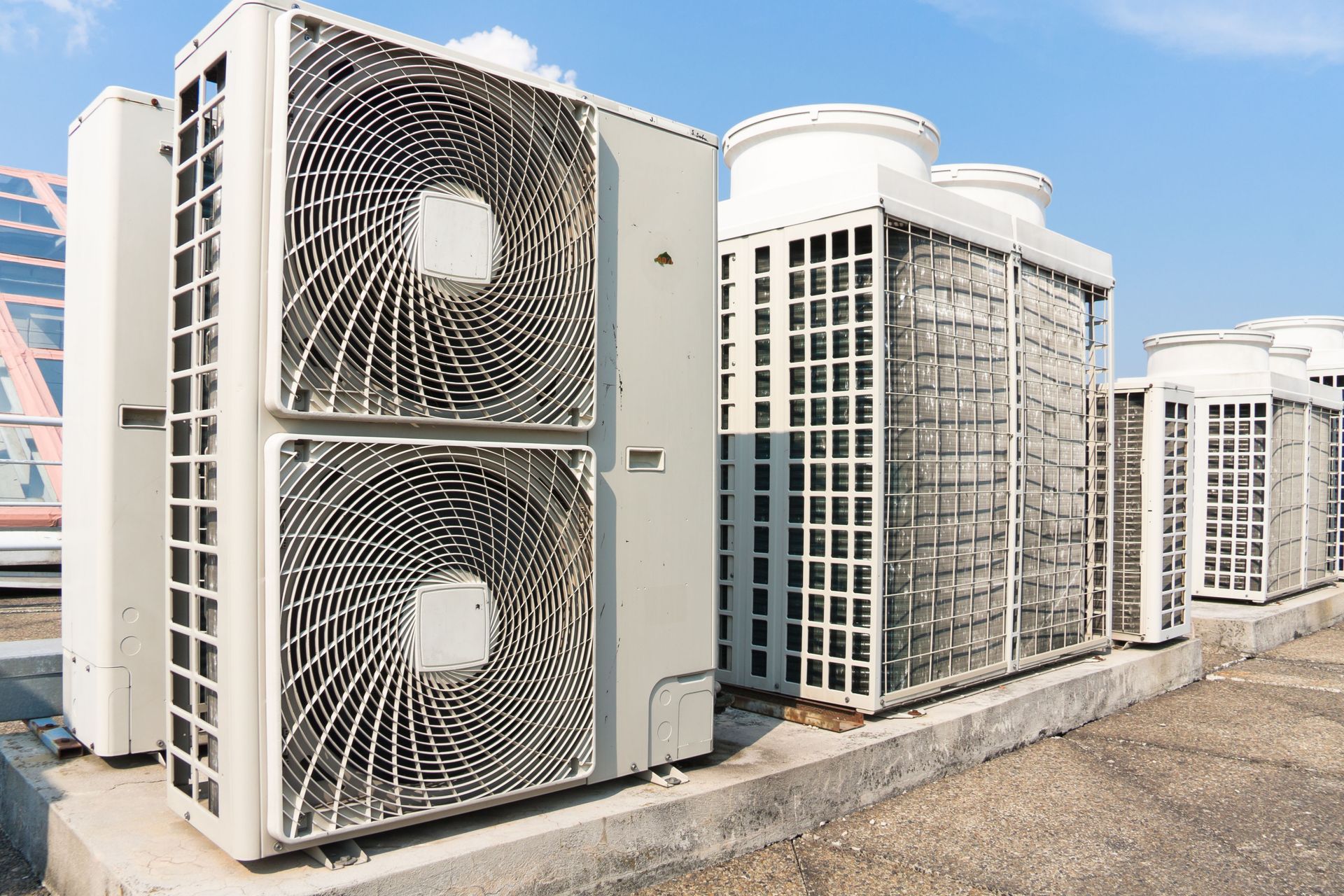
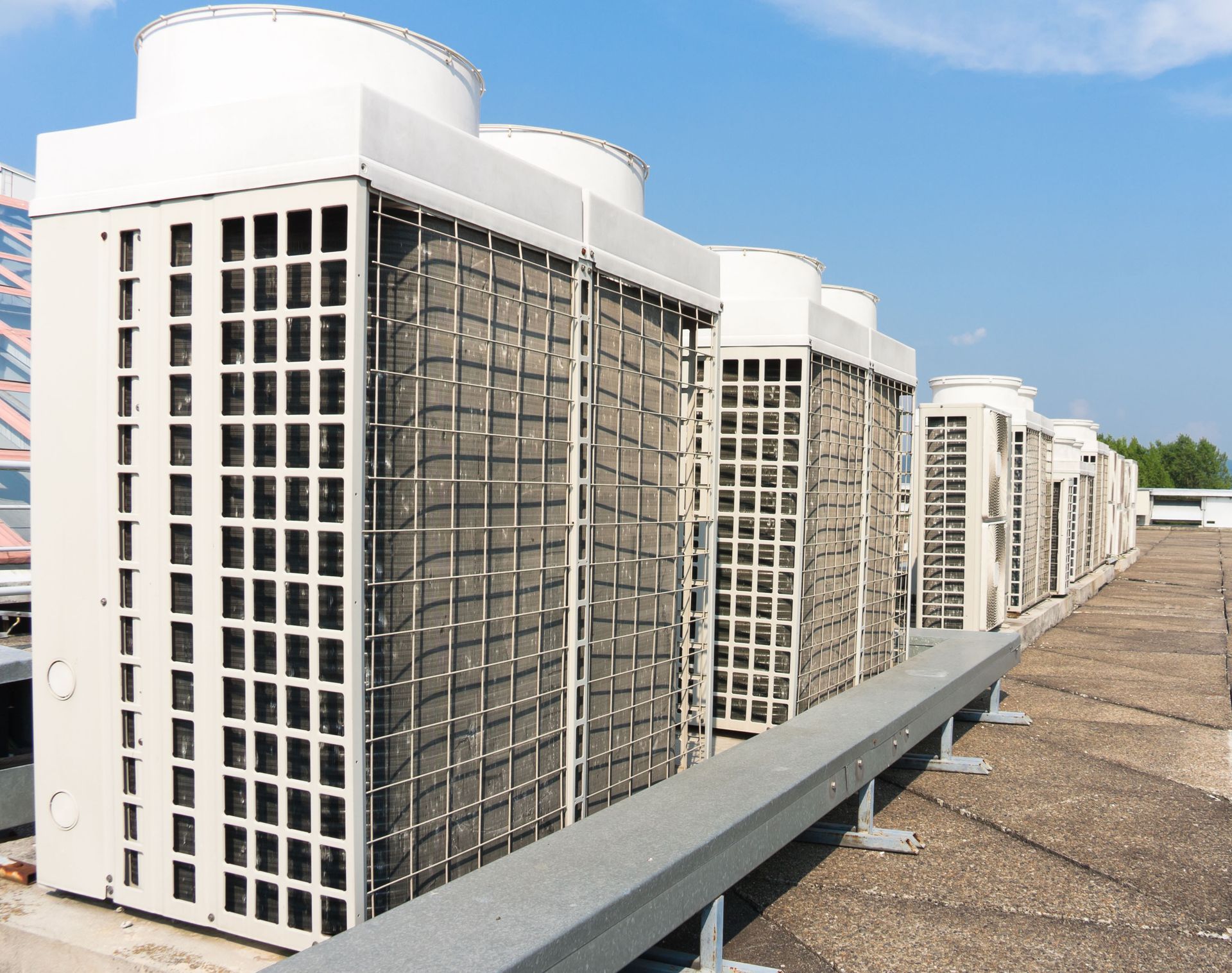
Variable Refrigerant Flow (VRF) systems represent a significant leap forward in HVAC technology, offering tailored climate control solutions for commercial buildings. VRF technology provides precise thermal comfort by enabling individual zone control, optimizing energy consumption across distinct building areas. This adaptability is particularly advantageous in complex layouts, allowing efficient operation without compromising performance. Relying on certified
commercial HVAC service to design and commission VRF networks guarantees proper refrigerant routing and seamless integration with existing building management systems.
Commercial projects play a pivotal role in fueling HVAC market expansion, driven by the need for energy efficiency and sustainability. Businesses considering system upgrades can benefit significantly from modern HVAC technologies, which offer energy savings, environmental compliance, and improved operational efficiencies. The interplay of these elements underscores the critical role of commercial projects in shaping the future of the HVAC market. By embracing innovation and addressing challenges, companies can position themselves to capitalize on opportunities in this evolving landscape—contact Hale's Mechanical today to optimize your commercial facility with advanced, energy-efficient HVAC solutions.