July 24, 2026
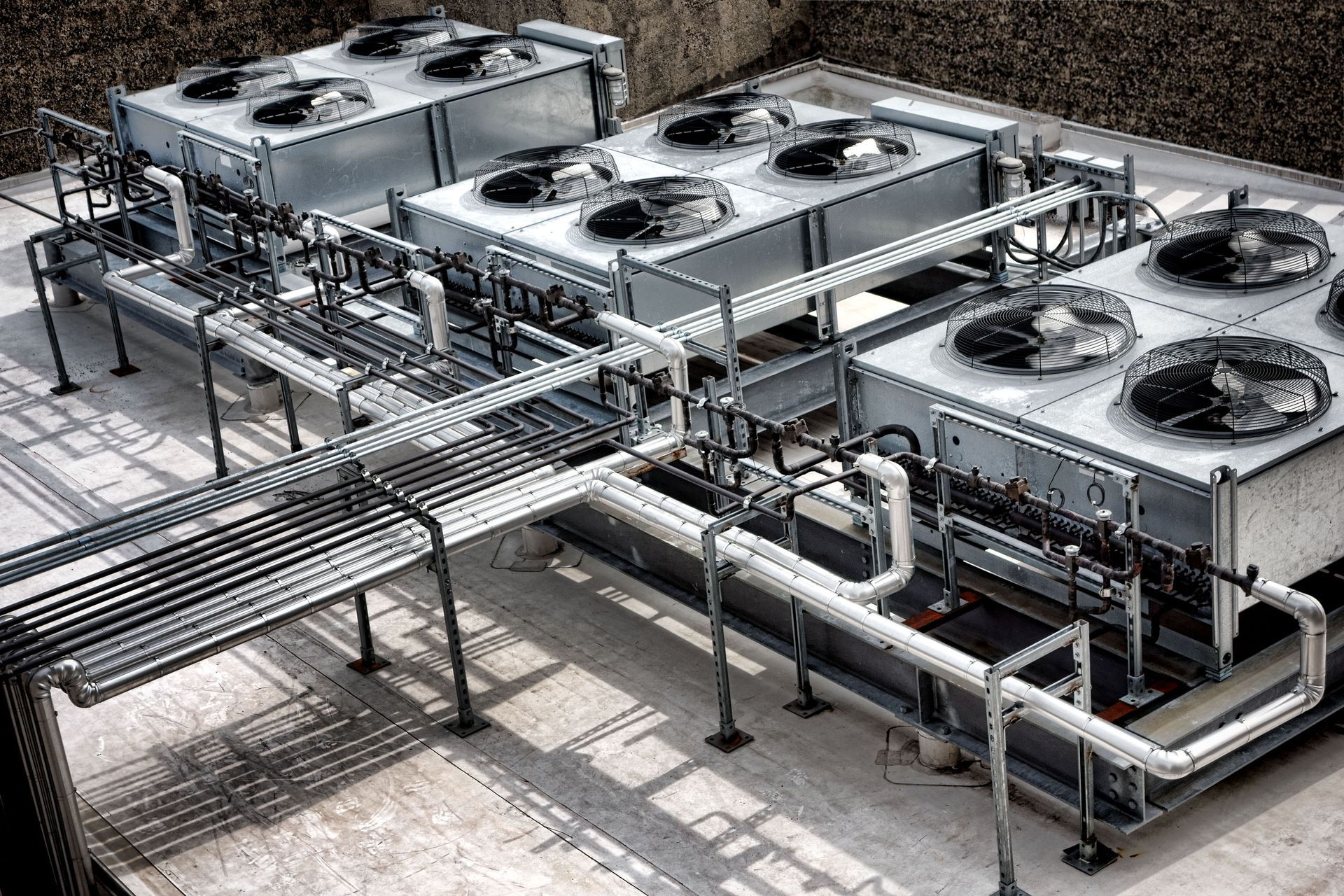
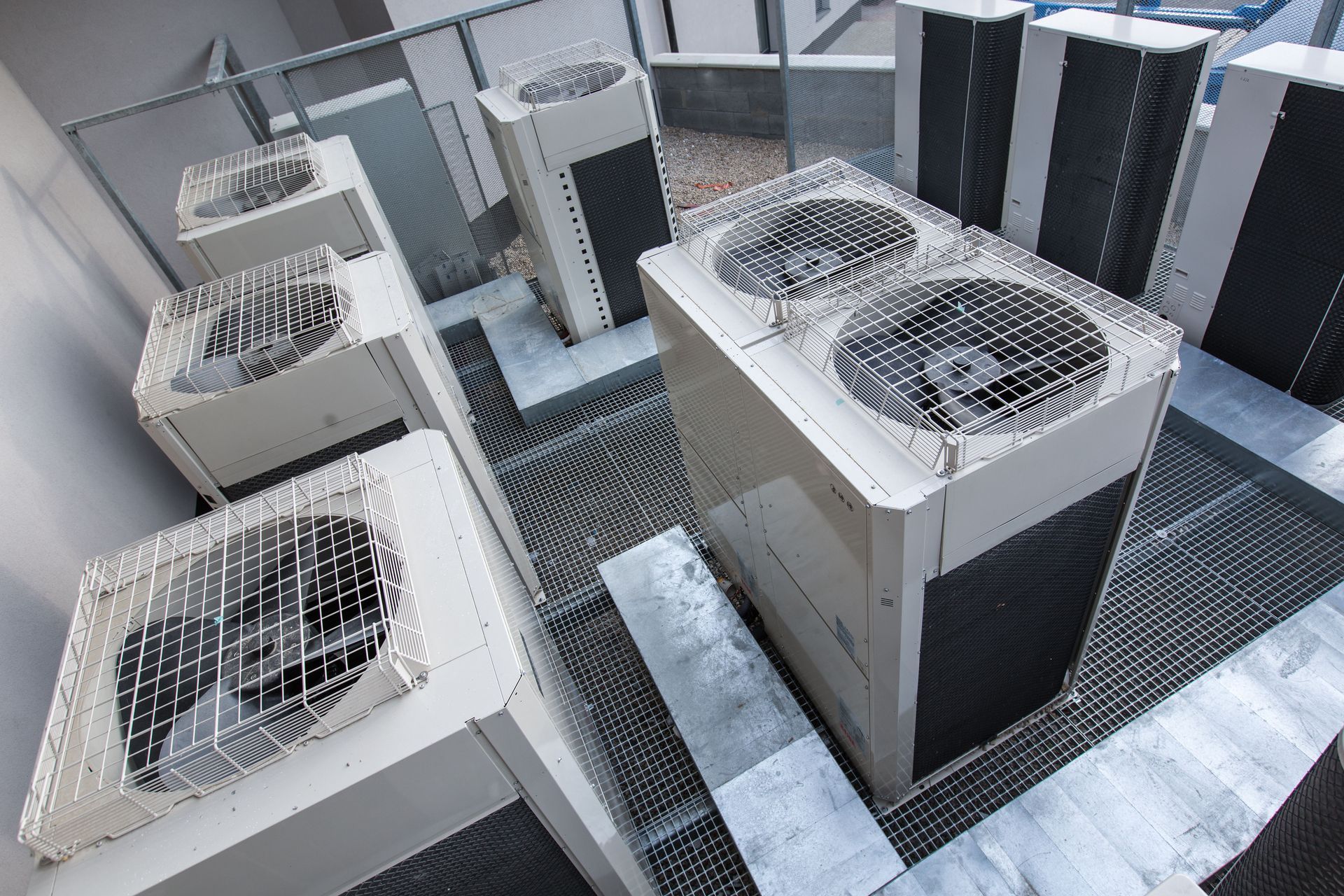
The world of commercial architecture is expanding at a rapid pace, bringing a simultaneous demand for robust engineering solutions to maintain indoor environmental control. Heating, ventilation, and air conditioning setup sizes represent a significant portion of this engineering effort, especially as properties grow in square footage and structural complexity. Understanding the literal and operational magnitude of these setups helps property owners grasp the extensive planning required to maintain daily operations. When existing infrastructure begins to age or fail, deciding on a commercial roof top unit replacement becomes an essential part of maintaining facility health. The physical footprint and internal capacity of these systems dictate how effectively a property can handle extreme weather changes over decades of service.
Engineering a workspace requires balancing human comfort with mechanical reality, a task that grows exponentially harder as a footprint expands. Large office parks, medical complexes, and industrial sites cannot rely on standard climate equipment because their internal air volume requires immense thermodynamic power to stabilize. This reality introduces various design parameters, forcing professionals to look beyond simple temperature dials to address airflow, structural layout, and heavy component placement. As building regulations become stricter regarding energy metrics, evaluating structural needs becomes a routine part of modern facilities management. Choosing a commercial roof top unit replacement allows an enterprise to upgrade its overall framework, ensuring the entire property functions reliably under high-demand cycles.
Analyzing Facility Size Demands
The physical dimensions and interior arrangement of a commercial property serve as the initial blueprint for determining the capacity of its climate control machinery. Massive corporate facilities naturally require highly powerful equipment to circulate air through thousands of linear feet of ductwork and multi-level floor plans. Segmented offices, expansive central atria, and specialized conference spaces all present distinct climate profiles that complicate the overall engineering strategy. If a system is undersized, it will run continuously, causing premature mechanical degradation and uneven temperature distribution that frustrates occupants.
Local weather patterns play an equally defining role in choosing the size and capacity of large mechanical infrastructure. Properties enduring freezing winters require heavy-duty heating loops, while those in humid, coastal, or desert environments demand massive cooling installations to manage continuous heat loads. When an aging structure experiences frequent performance drops during seasonal weather shifts, a commercial roof top unit replacement emerges as the most practical strategy to restore environmental balance. Upgrading ensures the property remains fully operational, maintaining productivity and safety regardless of outside weather extremes.
Evaluating Performance and Integration
Integrating new environmental equipment into an established structural framework requires careful execution to avoid disrupting daily business operations. Engineers must navigate existing physical limits, ensuring heavy machinery is properly supported by the building's foundation and roof trusses without causing dangerous vibrations. Seamless integration ensures that HVAC systems work harmoniously with other building systems like fire safety, security, and lighting controls. According to SkillCat, commercial HVAC systems range in capacity from 2.8 to 28 tons of refrigeration, which is significantly more than residential systems. This integration not only extends the life of existing facilities but also enhances the building's overall performance.
Operational costs and energy footprints represent a major portion of a corporate budget, making efficiency a primary goal during structural upgrades. Older, deteriorating machinery consumes excessive electricity, driving up monthly utility bills while failing to maintain consistent indoor air quality. Planning a commercial roof top unit replacement gives a property manager the chance to install advanced systems equipped with variable-speed compressors and intelligent controls. These modern upgrades drastically reduce power usage, lowering overhead costs while drastically reducing the facility's carbon footprint.
Managing Maintenance and Lifespans
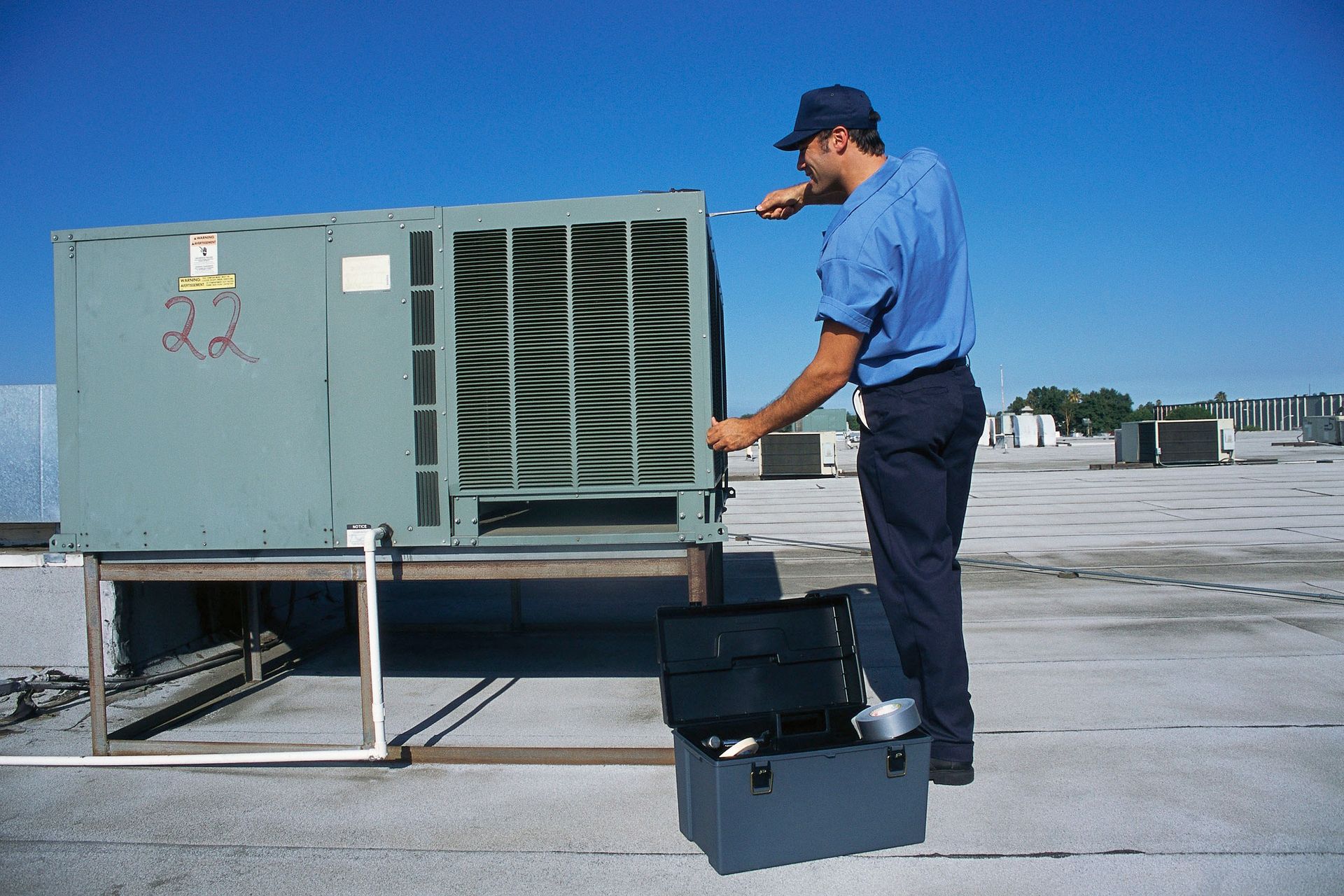
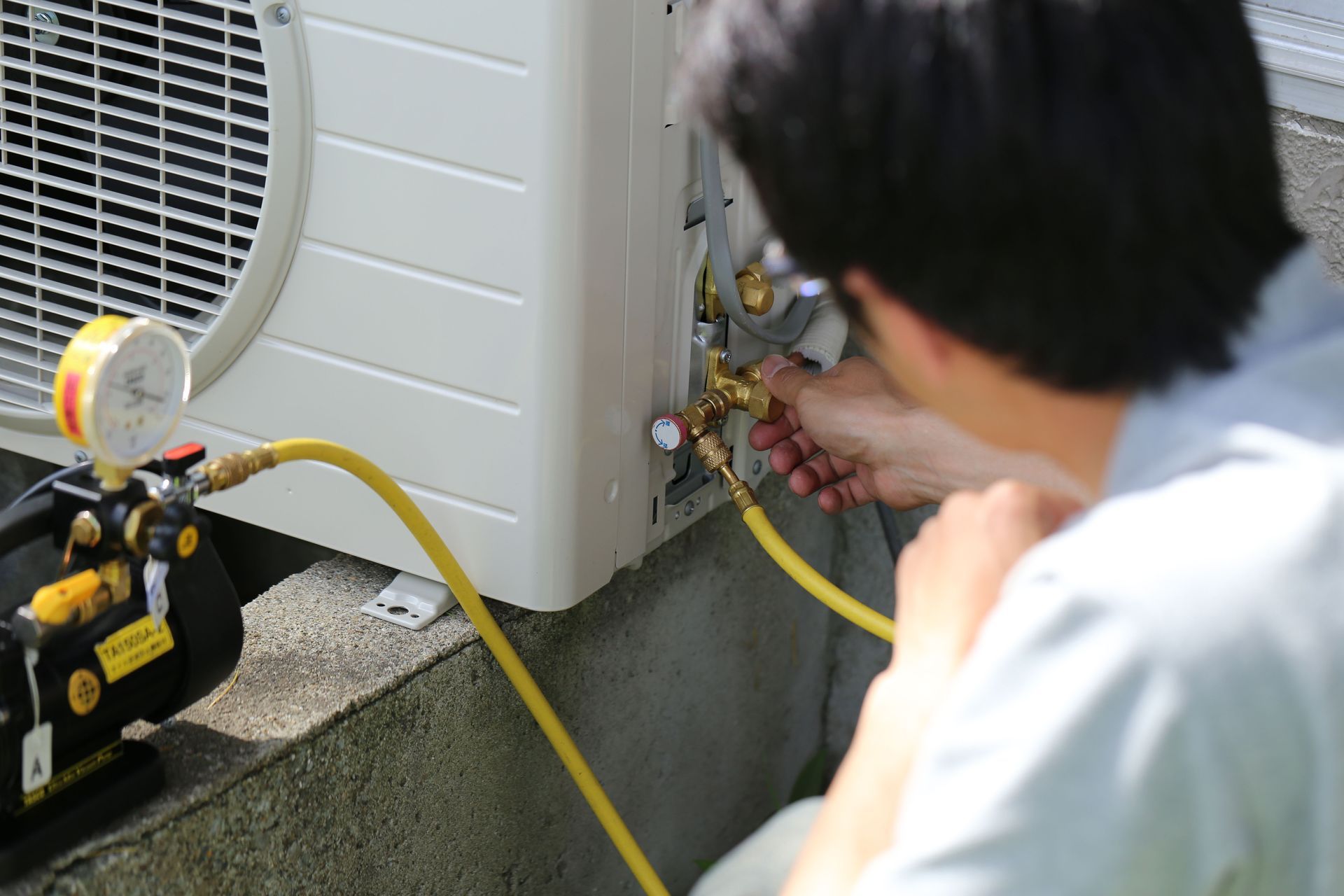
Ensuring long-term mechanical reliability requires a design that prioritizes open accessibility for technicians performing routine inspections and complex repairs. Air handling components, filtration banks, and heavy compressors must be safely reachable to avoid extended operational downtime during service windows. If a system is poorly positioned or overly cramped, basic tasks like filter swaps and coil cleanings become difficult, leading to neglected upkeep and eventual equipment breakdowns. Routine care keeps a system running at peak efficiency, protecting the substantial capital invested in the building's mechanical framework.
Even with meticulous preventative upkeep, every mechanical assembly eventually reaches the end of its functional lifespan after years of continuous service. As internal parts wear out, the frequency of emergency service calls increases, creating unpredictable expenses and uncomfortable indoor conditions for staff and clients. Executing a timely commercial roof top unit replacement prevents catastrophic equipment breakdowns before they cause costly partial business closures. Investing in updated machinery protects daily business continuity, ensuring the property remains safe, comfortable, and fully compliant with local building codes.
Reviewing Large Scale Operations
Different types of large commercial architecture present unique challenges that require highly specialized environmental engineering solutions. Tall corporate skyscrapers face intense external wind pressures and vertical temperature variances, requiring advanced multi-zone climate control configurations. Conversely, sprawling facilities like university campuses or large hospitals require continuous airflow management to maintain sterile conditions and isolate airborne contaminants. These large-scale operations depend on robust, high-capacity machinery capable of adapting instantly to changing occupancy levels and internal heat generation.
Industrial manufacturing plants and massive transit hubs experience high traffic and intense internal heat from heavy machinery, demanding maximum air volume circulation. Large retail spaces and convention centers also deal with massive fluctuations in human occupancy, requiring systems that can ramp up performance during peak hours. When these expansive systems become outdated, planning a commercial roof top unit replacement is critical to keeping the facility functional. Upgrading the central climate equipment allows large public venues to maintain stable temperatures, clean air, and low operating costs.
Advancing with Modern Technology
The steady evolution of commercial environmental engineering continues to introduce smart automated controls that redefine how large structures manage comfort. Modern setups utilize network-connected sensors and predictive algorithms to track indoor occupancy and adjust output based on real-time weather data. Automated building management platforms allow facility managers to monitor system health remotely, identifying minor mechanical issues before they turn into major equipment failures. This level of control optimizes energy use, ensuring conditioned air is directed precisely where and when it is needed.
Transitioning to sustainable energy solutions has also become a major focus for modern corporate properties looking to reduce long-term operational costs. Incorporating modular equipment configurations allows a business to expand its climate capacity in stages as the physical facility grows over time. Choosing a commercial roof top unit replacement allows a business to access these advanced, sustainable technologies, replacing obsolete equipment with highly efficient models. These modern systems improve daily comfort while boosting the overall market value and appeal of the commercial property.
Capitalizing on System Upgrades
The total capacity and physical footprint of commercial environmental infrastructure are shaped by an array of building demands, regional weather traits, and strict efficiency mandates. Keeping an aging, inefficient system running drives up utility costs, increases repair bills, and leads to unpredictable indoor climate conditions. Prioritizing a timely commercial roof top unit replacement enables property owners to lower monthly overhead, protect operational continuity, and ensure long-term climate reliability. Modern high-capacity systems do more than just regulate temperature; they serve as a core investment that directly enhances the value, safety, and efficiency of a commercial facility.
Maintaining an energy-efficient workspace is essential for protecting business operations and keeping occupants comfortable throughout the year. For organizations looking to upgrade their facilities and implement dependable climate solutions, partnering with skilled professionals ensures a smooth installation process from start to finish. Connect with Hale's Mechanical today to evaluate your current setup, discuss advanced equipment options, and schedule a comprehensive
commercial roof top unit replacement tailored to your property's specific operational needs.