July 14, 2026
Maintaining optimal climate control within a corporate facility is essential for preserving structural integrity, employee productivity, and daily operational continuity. Modern commercial structures require robust systems designed to manage heavy thermal loads while maintaining healthy airflow. Strategic planning ensures these massive mechanical installations operate seamlessly under varying environmental conditions.
Investing in high-capacity climate systems safeguards expensive computing hardware, sensitive inventories, and specialized manufacturing gear. Property owners who overlook atmospheric management often face steep financial penalties due to premature equipment failures and reduced worker output. Developing a comprehensive understanding of indoor climate management remains a primary business necessity.
Selecting the right engineering partner during the early planning stages minimizes long-term operational challenges and unexpected structural modification expenses. Experienced teams provide specialized oversight to guarantee that complex duct networks and heavy rooftop units align with building safety protocols. This careful foundation creates a sustainable environment for corporate growth.
Establishing a comfortable corporate interior requires a deep, ongoing commitment to modern industrial engineering standards and continuous technological upgrades. Forward-thinking executives treat environmental management as a core strategy for achieving long-term marketplace stability and continuous enterprise expansion. Protecting your structural assets begins with elite environmental planning.
Protect Your Capital Investments
High-value technological machinery and extensive server infrastructure generate substantial internal heat that can compromise sensitive electronic components. Without consistent climate regulation, expensive corporate assets face the immediate threat of thermal breakdown and permanent operational failure. Implementing a robust environment prevents these costly disruptions before they impact your primary bottom line.
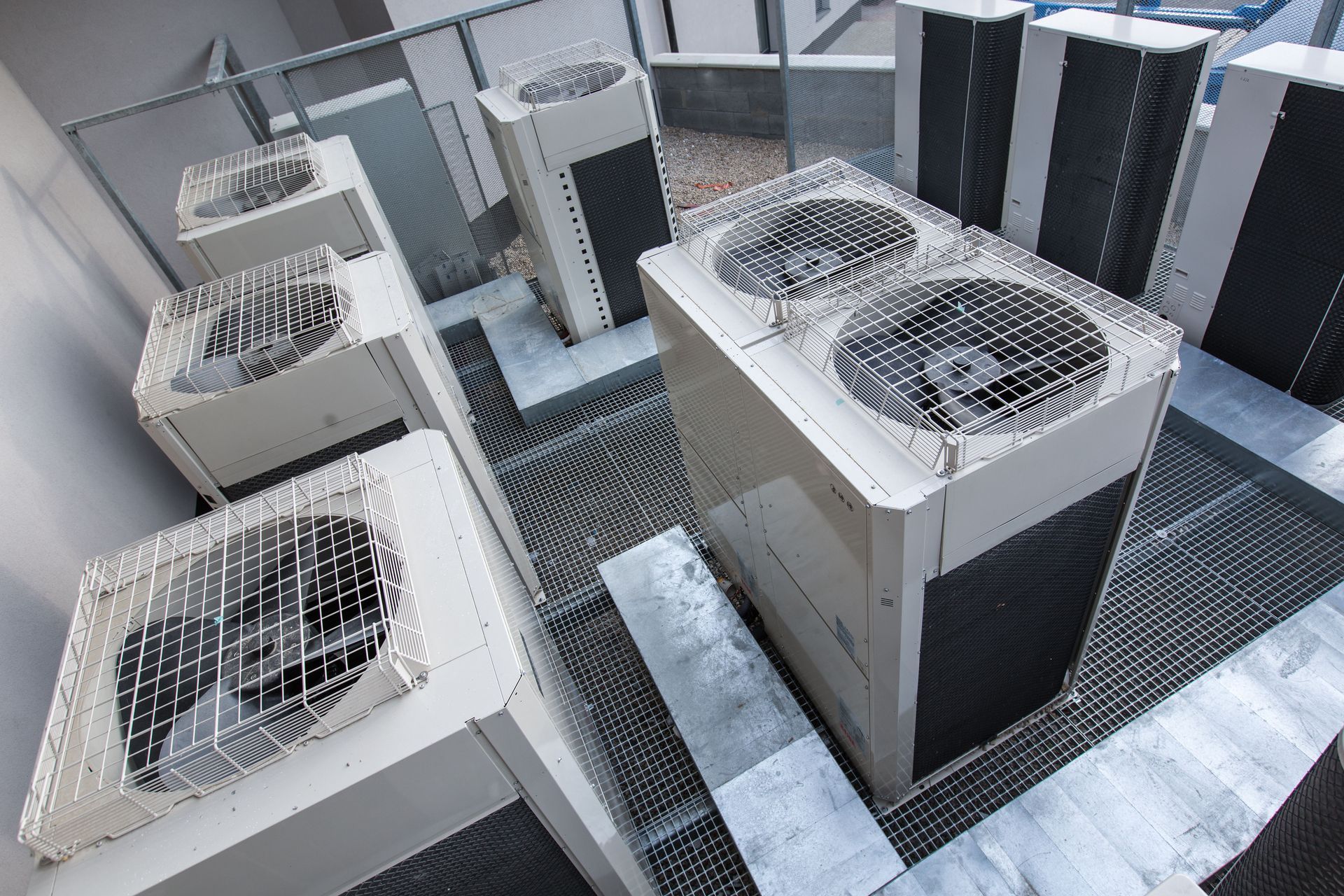
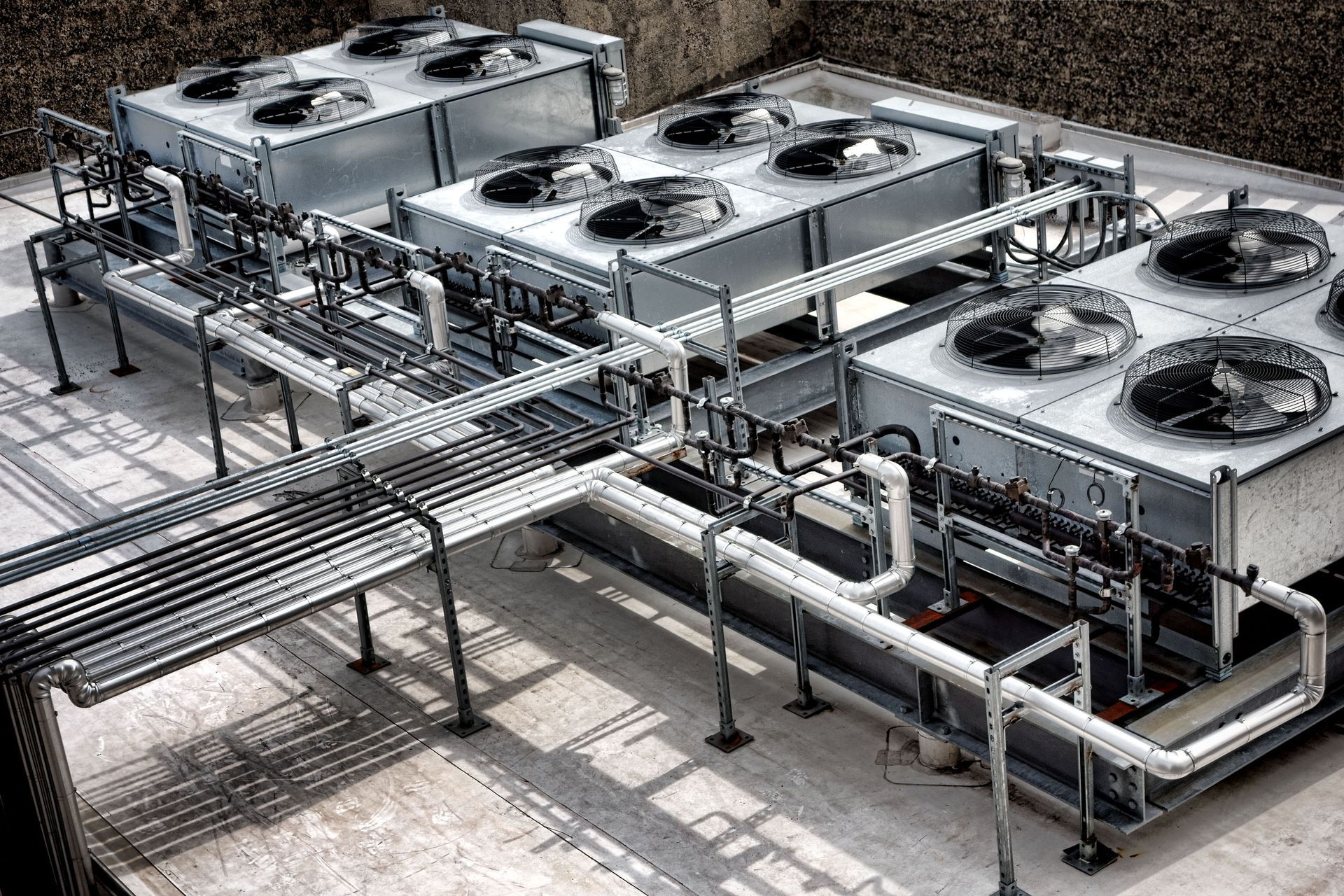
Strategic planning during initial commercial HVAC construction projects allows developers to isolate high-heat zones and route dedicated cooling pathways directly to them. This localized approach shields vital digital storage nodes from catastrophic overheating while optimizing energy distribution across the entire facility footprint. Safeguarding physical hardware extends the operational lifespan of your infrastructure.
Furthermore, balanced moisture control protects interior structural framing, premium ceiling tiles, and expensive hardwood finishes from moisture-related deterioration. Excess humidity encourages rapid mold colonization and widespread drywall rot, which creates expensive remediation challenges for building management. Professional climate integration serves as a powerful shield for your entire real estate portfolio.
Every department operates more smoothly when high-value physical inventory remains shielded from the destructive forces of extreme ambient temperatures. Preventing product degradation or warehouse spoilage preserves your corporate reputation and ensures consumer satisfaction remains consistently high. Safeguarding your physical assets represents a foundational rule of profitable retail operations.
Maximize Daily Worker Productivity
Thermal comfort directly correlates with human cognitive performance, mistake reduction, and overall daily workplace satisfaction levels. Offices that suffer from stagnant air currents or erratic temperature swings frequently report higher rates of employee fatigue and frequent absenteeism. Providing a stabilized internal atmosphere keeps teams focused entirely on their core professional responsibilities.
Proper ventilation designs installed during early commercial HVAC construction phases ensure a steady supply of fresh outdoor oxygen throughout the workspace. This continuous air exchange dilutes indoor pollutants, eliminates chemical odors, and significantly limits the airborne transmission of seasonal office illnesses. Healthy workers sustain higher output levels over extended shifts.
- Reduced occurrence of afternoon cognitive fatigue
- Lower rates of seasonal workplace absenteeis
- Improved employee satisfaction and retention scores
When teams operate in a perfectly regulated environment, their focus remains sharp, and collaborative efforts thrive naturally. Eliminating environmental distractions allows staff members to dedicate their full mental energy toward solving complex corporate challenges. Climate control is an investment in human capital.
Minimize Long-Term Energy Expenditures
Operating a massive facility demands a tremendous amount of electrical power, making utility bills a permanent and substantial operational expense. Modern engineering focuses heavily on maximizing thermal efficiency to reduce the monthly financial burden carried by corporate property managers. Upgraded equipment achieves superior climate regulation while consuming fewer environmental resources.
According to FieldEx, 50% of the world's final energy consumption is used for heating and cooling. This global statistic underscores the critical importance of selecting highly efficient machinery during major commercial HVAC construction developments. Choosing advanced configurations allows enterprise operations to reduce their carbon output while lowering overall monthly expenditures.
Implementing smart automation controls enables management to reduce output in unoccupied zones like empty warehouses or vacant conference rooms. These precision adjustments prevent the waste of valuable power on areas that do not require active climate management. Micro-zone programming yields substantial savings over the fiscal year.
Ensure Compliance With Regional Codes
Municipal building regulations mandate strict ventilation quotas and structural safety standards for every type of public assembly space. Failing to meet these environmental legal guidelines can result in severe financial penalties, forced operational shutdowns, or delayed occupancy permits. Professional planning guarantees full adherence to all governing safety bodies.
Integrating certified engineering standards during the early commercial HVAC construction phase protects owners from facing code violations during final inspections. Licensed technicians understand how to position heavy rooftop machinery and run massive ducting pathways without compromising critical fire barriers. Legal compliance provides long-term peace of mind.
- Verified adherence to regional fresh air quotas
- Proper structural reinforcement for heavy machinery
- Correct placement of fire-damping exhaust mechanisms
- Compliance with local environmental noise ordinances
Documenting your adherence to official building standards also protects your business against potential future liability claims from occupants. Clear engineering blueprints demonstrate a corporate commitment to maintaining a safe, healthy, and completely legal indoor environment. Professional verification simplifies your annual facility audits.
Elevate Ultimate Property Valuation
The structural quality and functional efficiency of an indoor climate system heavily influence the overall market value of commercial real estate. Discerning corporate buyers and prospective tenants closely evaluate the age, condition, and performance capabilities of existing mechanical installations. Premium infrastructure commands higher leasing rates.
Investing in comprehensive commercial HVAC construction retrofits ensures your real estate asset remains highly competitive in an aggressive modern marketplace. Properties equipped with reliable, energy-efficient climate controls experience shorter vacancies and attract higher-caliber corporate tenants. Superior infrastructure translates directly to greater long-term equity growth.
Modern purchasers willingly pay a premium for facilities that do not require immediate, costly mechanical overhauls or extensive ductwork remediation. A verified history of professional installation and meticulous system upkeep serves as a major selling point during ownership transfers. Your climate system is a core pillar of equity.
Mitigate Costly Emergency Breakdowns
Unexpected equipment failures during peak seasonal weather can paralyze warehouse logistics, ruin perishable inventories, and force total office closures. These chaotic disruptions generate immediate revenue losses alongside exorbitant after-hours emergency repair fees. Building a resilient climate infrastructure minimizes the threat of sudden operational standstills.
Utilizing top-tier industrial materials during the primary commercial HVAC construction process builds a durable foundation that withstands extreme external weather variations. Heavy-duty compressors, reinforced fan casings, and advanced filtration networks are engineered specifically to endure continuous, high-demand operation. Reliability prevents unexpected operational crises from derailing your calendar.
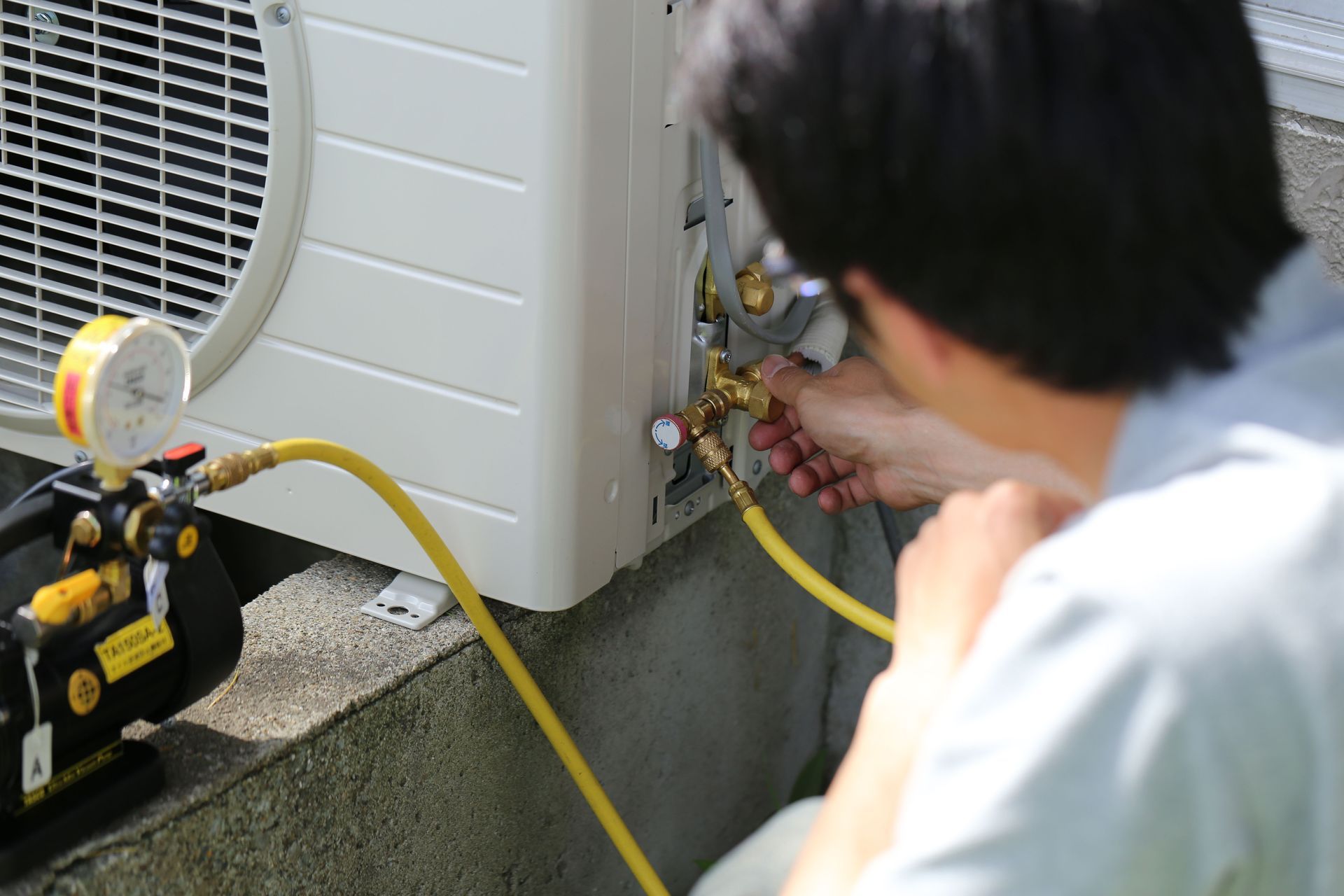
Additionally, modern computerized diagnostic monitors can alert maintenance personnel to minor performance variances before total system failure occurs. This early notification allows teams to coordinate repairs during non-business hours, eliminating any negative impact on daily consumer experiences. Proactive design choices guarantee uninterrupted business operations.
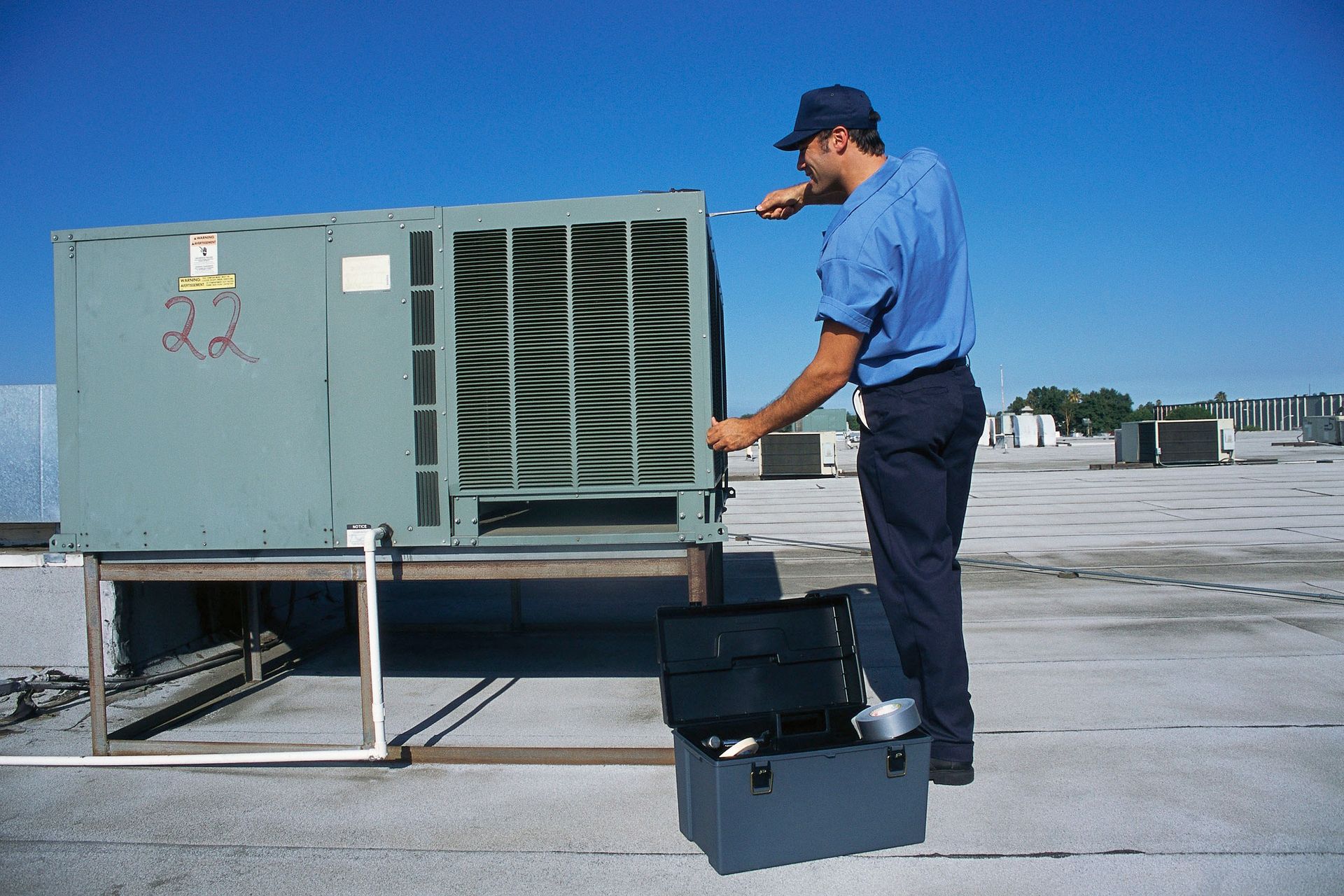
Partnering with experienced technicians from the very beginning ensures your mechanical systems are customized to match your specific corporate workflow perfectly. Every room gains the exact balance of airflow, humidity control, and temperature management necessary to sustain long-term business success. For elite installation standards and unmatched structural reliability, contact Hale's Mechanical.