June 9, 2026
Maintaining a comfortable environment is a critical priority for any facility, and a reliable climate control system is the backbone of that comfort. When a facility experiences temperature fluctuations or poor indoor air quality, the daily operations can come to a sudden halt. Property managers must prioritize proactive measures to avoid unexpected downtime. Establishing a solid foundation of preventative care ensures that climate control systems operate at peak efficiency throughout changing seasons. The key to preventing breakdowns lies in understanding the specific needs of the equipment and scheduling regular evaluations before minor wear escalates into major damage. By anticipating seasonal demands, property owners can protect their investments. Whether the goal is to optimize energy consumption or avoid a costly commercial AC repair, having a comprehensive plan in place makes all the difference. Knowing the right approach helps maintain a safe and welcoming space.
Recognizing the Importance of Routine Maintenance
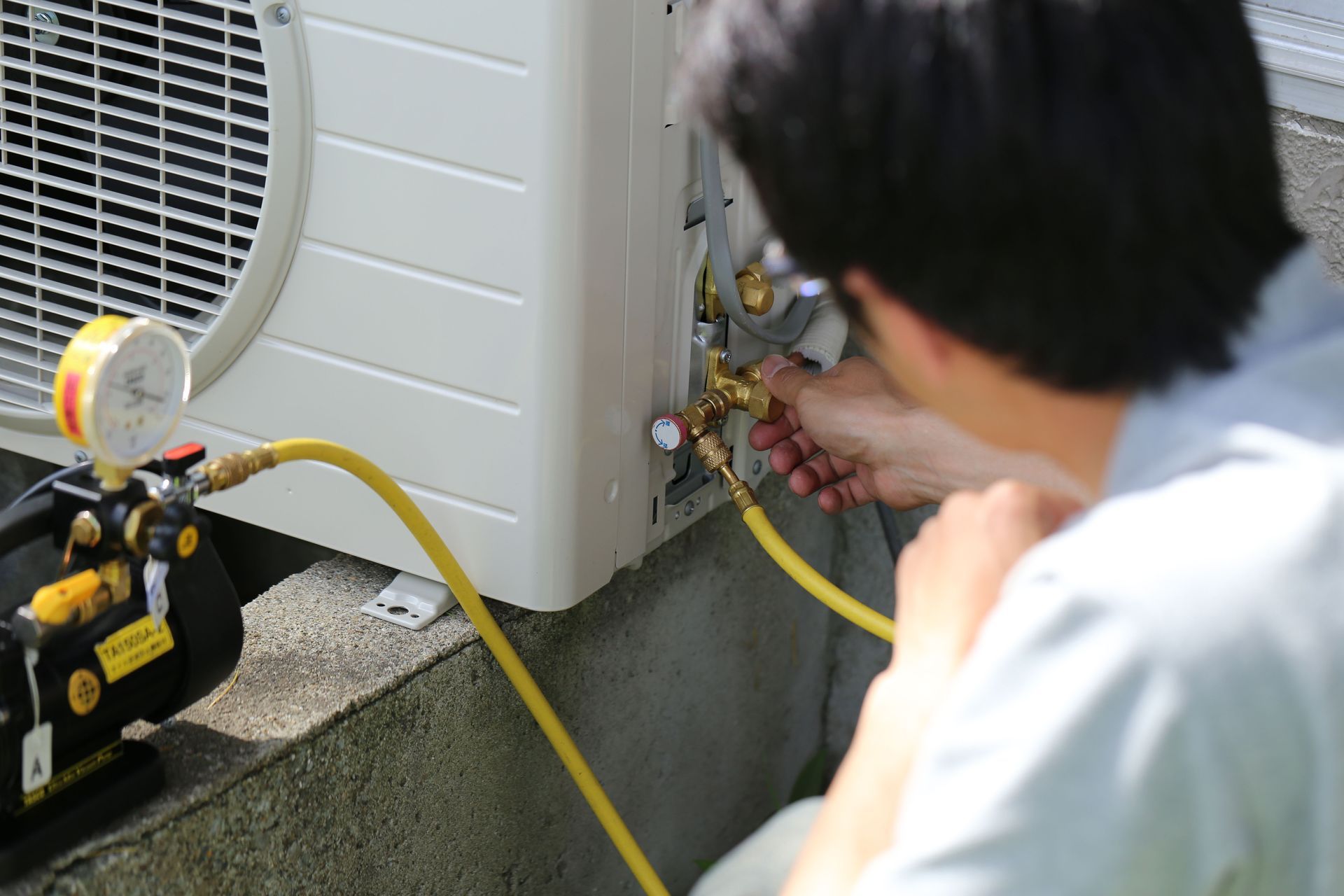
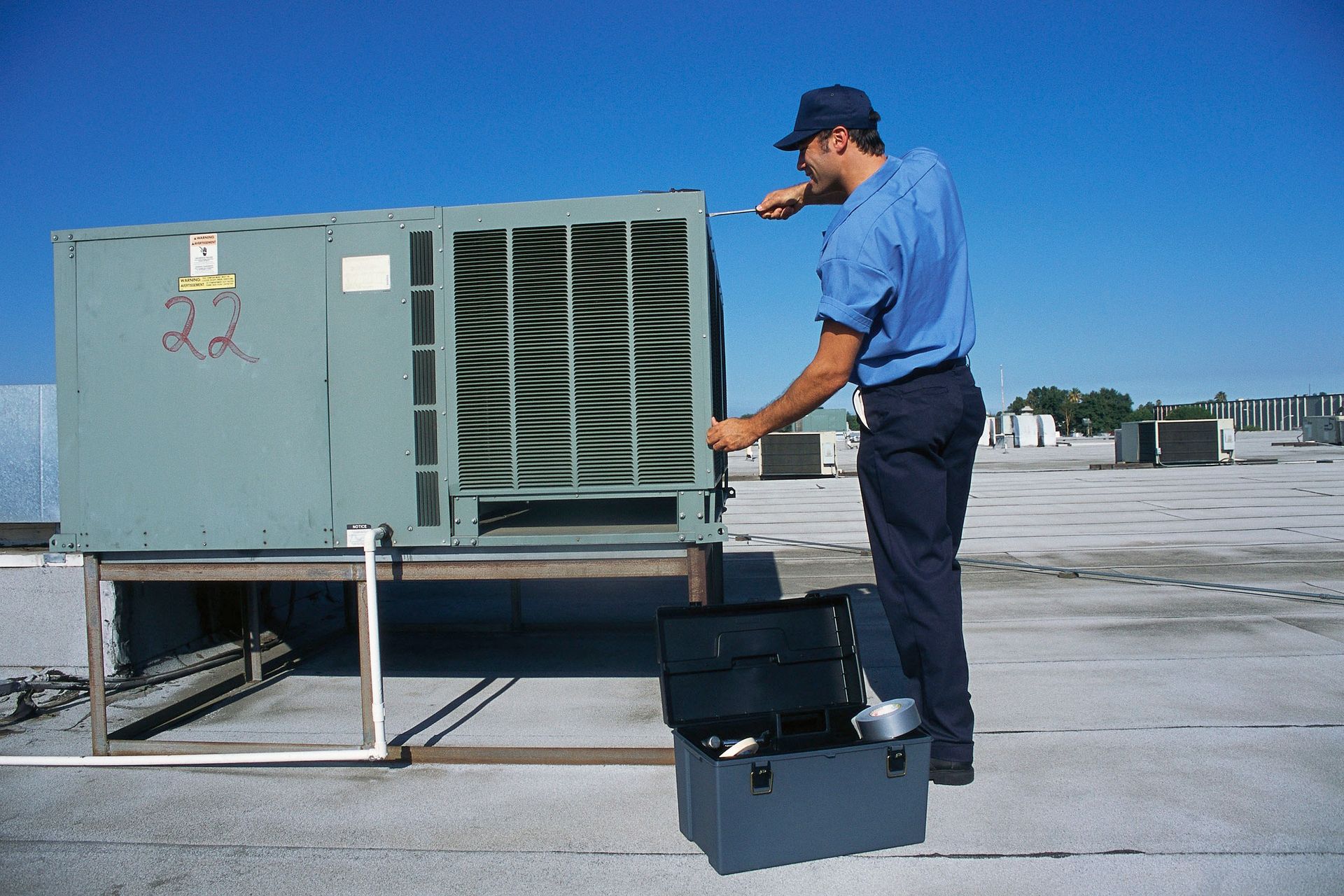
A proactive approach to climate control system upkeep is essential for ensuring long-term reliability. Regular checkups provide an opportunity for technicians to clean crucial components, clear blockages, and calibrate thermostats. When these routine tasks are ignored, the machinery is forced to work harder to achieve the desired indoor temperatures. This unnecessary strain leads to premature wear on moving parts and decreases the overall efficiency of the equipment. Neglected systems also consume more energy, driving up utility expenses and reducing the lifespan of the entire unit. A carefully planned maintenance schedule allows for early detection of deteriorating parts, such as fraying belts or corroded electrical connections. Catching these problems early allows for simple fixes rather than waiting for a complete system failure. Business owners who commit to regular inspections find that their units run smoother, providing consistent comfort without sudden interruptions. Investing time in routine checkups is the most effective strategy to minimize the risk of a sudden commercial AC repair and keep the environment pleasant.
Understanding the Differences in Equipment Types
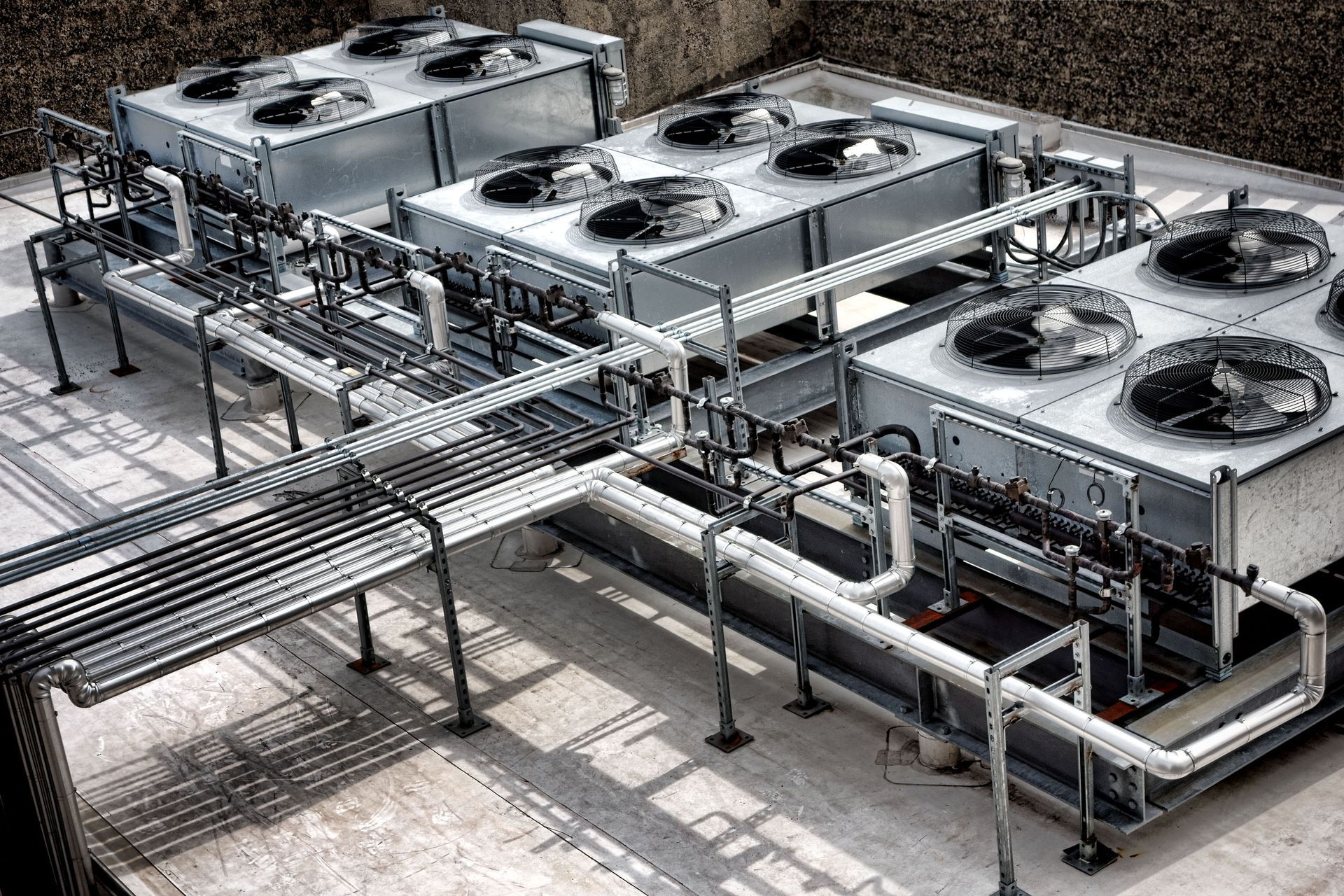
The requirements for maintaining climate control equipment vary significantly depending on the scale and complexity of the installed units. Large buildings utilize massive, intricate units that handle higher capacities and continuous operation, making their upkeep distinctly different from smaller residences. According to SkillCat, commercial HVAC systems are typically serviced every 3 to 6 months, while residential units usually receive maintenance once a year. Because larger properties endure heavier foot traffic and demand constant temperature regulation, their systems experience accelerated wear. Facility managers must account for these heavy demands by scheduling more frequent evaluations by qualified professionals. Technicians must inspect multiple zones and heavy-duty compressors to ensure everything operates harmoniously. Smaller properties often have simpler layouts and less strenuous operational hours, allowing for a less intensive inspection schedule. Understanding these critical distinctions helps property managers develop a tailored plan that meets the unique demands of their specific layout. Adhering to the correct frequency for inspections is a fundamental step in avoiding an unexpected commercial AC repair down the line.
Identifying the Best Times for System Inspections
Timing is a crucial factor when planning a maintenance strategy for heating and cooling units. The most strategic approach involves scheduling comprehensive evaluations during transitional seasons, just before the equipment faces its highest workloads. Preparing the cooling components before the sweltering heat arrives ensures that the system handles peak cooling demands without stumbling. Similarly, inspecting the heating elements before freezing weather sets in guarantees a warm indoor environment during winter. By anticipating these seasonal shifts, property managers can secure appointments with technicians before the busiest service periods begin. This proactive scheduling avoids the panic of trying to book a technician when every other facility experiences sudden breakdowns. Technicians can use these transitional periods to swap out clogged air filters, clean dirty coils, and check refrigerant levels without disrupting daily business operations. Establishing a consistent rhythm for these seasonal checks creates a reliable safety net. A well-timed inspection goes a long way in preventing a major commercial AC repair when the weather is extreme.
Addressing Preventative Care for System Longevity
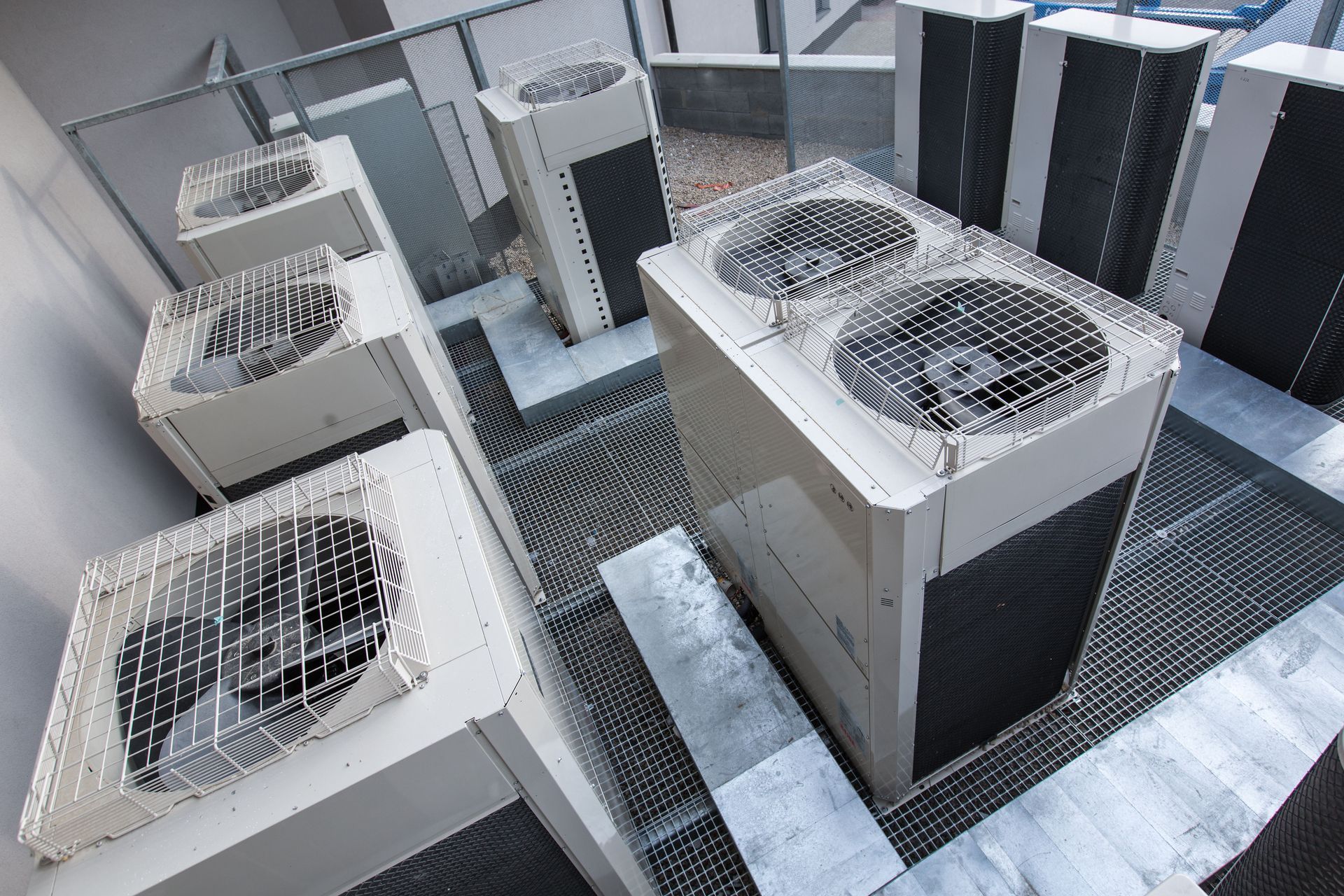
Maximizing the operational lifespan of a climate control system requires a dedicated focus on preventative care. Every piece of machinery has a finite lifecycle, but consistent maintenance helps push that expiration date further into the future. Preventative tasks include lubricating moving parts to reduce friction, tightening loose electrical connections, and clearing debris from condenser units. When airflow is restricted by dirt buildup, the system struggles to breathe, leading to overheated motors and stressed compressors. Regularly replacing air filters is a simple yet vital step in maintaining clean airflow and protecting internal mechanisms from damage. Additionally, ensuring condensation lines are clear prevents moisture backup, which can cause water damage and encourage biological growth within the ductwork. Technicians performing these preventative tasks regularly can monitor the gradual degradation of parts and recommend replacements before they fail completely. A facility prioritizing preventative care will rarely deal with the chaos of an emergency commercial AC repair.
Assessing the Warning Signs of Failing Equipment
Even with the most meticulous maintenance schedule in place, equipment can occasionally exhibit signs of distress requiring immediate attention. Facility managers and occupants should remain vigilant and listen for unusual sounds, such as grinding or squealing coming from the vents. These noises often indicate loose parts or failing blower motors that need swift correction. Another glaring warning sign is a sudden spike in utility costs, pointing to a system overworking itself to maintain set temperatures. Inconsistent temperatures across different building zones or weak airflow from registers also suggest underlying issues with ductwork or failing compressors. Unpleasant odors, such as musty smells or burning scents, should never be ignored, as they can indicate electrical problems or trapped moisture. Recognizing these red flags early allows property managers to call for professional assistance before a minor hiccup transforms into a complete breakdown. Staying alert to these symptoms is the best way to schedule a commercial AC repair before operations are entirely disrupted.
Implementing a Reliable Record Keeping Strategy
A highly effective maintenance strategy must include meticulous record keeping to track the history and health of the climate control equipment. Documenting every inspection, part replacement, and tune-up creates a comprehensive log that technicians can reference during future visits. This historical data provides invaluable insights into recurring issues, helping professionals identify patterns that might otherwise go unnoticed. For instance, if a specific component requires constant adjustments, the service log highlights this trend, prompting a deeper investigation into the root cause. Furthermore, detailed records are often required to keep manufacturer warranties valid, ensuring any eligible replacements are covered by the original agreements. Facility managers can also use these logs to budget for future upgrades, eliminating the financial shock of sudden equipment failure. A well-organized file of service reports takes the guesswork out of facility management and provides clear proof of diligence. Maintaining these vital records ensures the building is prepared, making any necessary commercial AC repair an organized process rather than a scramble.
Maintaining a comfortable and safe indoor climate requires dedication, foresight, and a commitment to ongoing care. When facility managers implement a rigorous inspection schedule, they protect their investments and ensure uninterrupted operations. Understanding machinery requirements, timing evaluations correctly, and staying alert to potential warning signs all contribute to a functional environment. Ignoring these vital responsibilities inevitably leads to stressful breakdowns, skyrocketing energy expenses, and uncomfortable conditions for everyone inside the building. Proactive attention to detail is the ultimate defense against premature equipment failure and unexpected operational hiccups. By partnering with knowledgeable professionals, property owners can rest easy knowing their climate control systems are in highly capable hands. If you are ready to establish a comprehensive strategy for your property and secure lasting comfort for your building, call Hale's Mechanical today to learn more.