June 10, 2026
Large-scale cooling equipment is essential for keeping commercial and industrial buildings comfortable, productive, and safe throughout the year. Office buildings, retail centers, warehouses, healthcare facilities, and manufacturing spaces all rely on dependable cooling systems to maintain stable indoor temperatures. Because these systems often operate for long hours and under heavy demand, they experience constant wear that can slowly reduce efficiency and performance over time.
Without regular maintenance, even high-quality equipment can develop problems that lead to breakdowns, higher operating costs, and shorter service life. Preventive maintenance gives technicians the opportunity to identify small concerns before they become expensive failures. From cleaning coils and changing filters to testing electrical components and monitoring refrigerant levels, ongoing service helps protect equipment performance and keeps systems running more efficiently for years. Consistent upkeep can also help businesses delay costly commercial rooftop unit replacement by reducing unnecessary wear on major system components.
Reducing Wear Through Routine Inspections
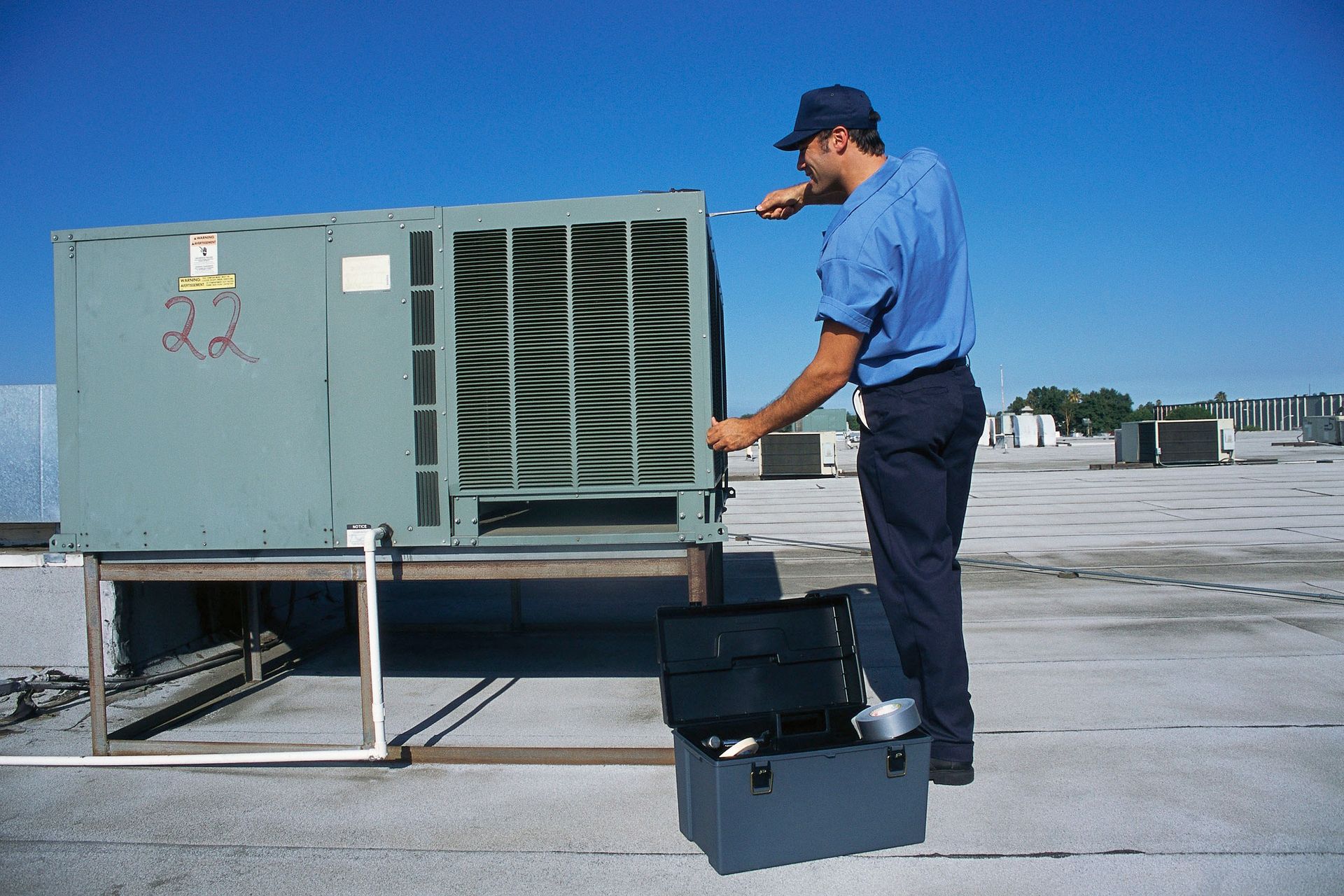
Routine inspections are one of the most important parts of a successful maintenance plan. During these visits, technicians examine belts, motors, electrical connections, coils, and drainage systems to make sure everything is functioning properly. Small issues such as loose wiring, worn belts, or clogged drains may not seem serious at first, but they can create strain on the entire system if they are left unresolved. These inspections also allow technicians to evaluate airflow, monitor operating temperatures, and identify early signs of wear that may indicate larger problems developing within the system.
Regular inspections allow these problems to be corrected before they damage expensive components like compressors and fan motors. Catching issues early also helps reduce unexpected downtime and costly emergency repairs. By minimizing long-term wear and preventing avoidable damage, businesses can delay the need for commercial roof top unit replacement. Tracking system performance over time also helps maintenance teams make informed recommendations that improve efficiency, extend equipment lifespan, and support more reliable operation throughout the year.
Improving Efficiency Through Clean Components
Clean equipment operates more efficiently than equipment covered in dirt and debris. Cooling systems rely on coils, filters, and fans to move air and transfer heat effectively. When these parts become dirty, airflow becomes restricted, and the system has to work harder to maintain indoor comfort. This increased workload leads to higher energy consumption and additional strain on critical components. Dirt buildup can also cause uneven cooling performance, making certain areas of a building less comfortable and forcing the equipment to cycle more frequently throughout the day.
Routine cleaning helps improve airflow and keeps the system operating closer to its intended capacity. Clean coils can release heat more effectively, while fresh filters help maintain proper indoor air circulation. Over time, these improvements reduce stress on the equipment and can significantly extend system life, helping building owners avoid premature commercial rooftop unit replacement. Consistent cleaning also supports better energy efficiency, helping businesses reduce operating expenses while maintaining dependable indoor comfort for employees, tenants, and customers.
Maintaining Performance Through Proper Calibration
Large-scale cooling equipment depends on accurate controls and settings to operate correctly. Thermostats, sensors, economizers, and dampers all work together to regulate building temperatures and system performance. If any of these controls are out of calibration, the equipment may run longer than necessary, cycle too frequently, or fail to maintain consistent comfort levels. Inaccurate readings can also place additional stress on compressors and motors, causing unnecessary wear that gradually reduces overall system efficiency and reliability over time.
Regular calibration helps the system respond properly to changing indoor and outdoor conditions. Accurate controls reduce unnecessary runtime and help the equipment maintain steady performance without overworking major components. Proper calibration can also improve occupant comfort by reducing temperature fluctuations throughout the building and supporting more balanced airflow. In addition, properly adjusted controls can improve energy management efforts by helping facilities avoid excessive utility usage and maintain more predictable operating costs throughout the year.
Preventing Failures Through Early Repairs
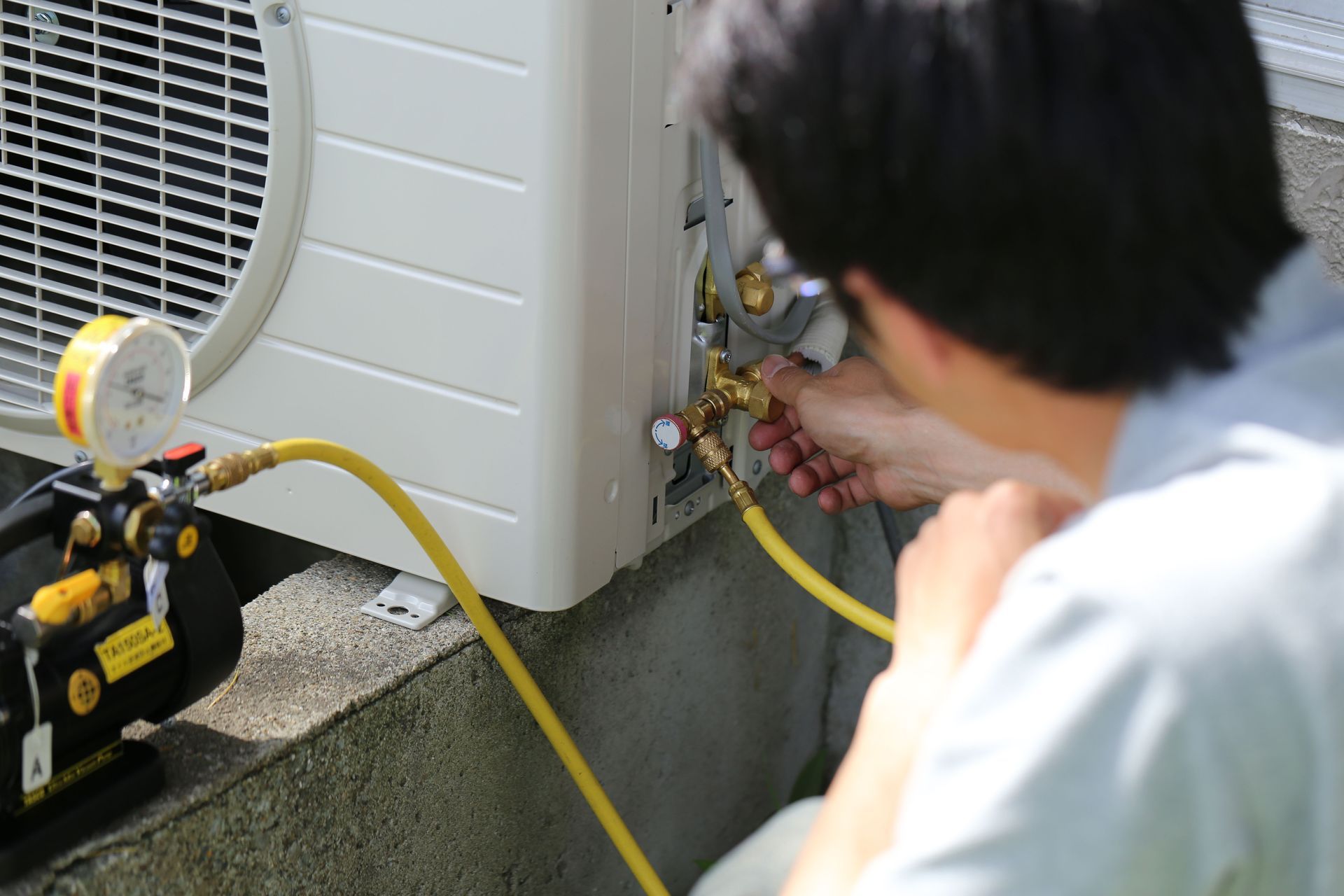
One of the biggest advantages of preventive maintenance is the ability to spot developing issues before they become serious failures. Technicians can identify unusual noises, refrigerant leaks, failing capacitors, damaged contactors, and vibration problems during routine service visits. Addressing these concerns early often prevents larger mechanical failures that could interrupt daily business operations. Technicians may also discover airflow restrictions, electrical inconsistencies, or worn components that could eventually reduce cooling performance and place unnecessary strain on the entire system if left unresolved.
Early repairs are usually less expensive and less disruptive than emergency breakdowns. When small issues are ignored, they often place additional stress on other parts of the system, increasing the likelihood of major damage. Proactive repairs help extend the lifespan of critical equipment and reduce the chances of unexpected commercial rooftop unit replacement. Preventive repairs also improve system reliability during periods of heavy demand, helping businesses maintain comfortable indoor environments and avoid operational interruptions during peak cooling seasons.
Extending Lifespan Through Consistent Maintenance
Cooling equipment performs best when maintenance is completed on a regular schedule. Seasonal service visits help prepare systems for periods of increased demand and ensure components are operating efficiently before heavy use begins. Consistent care also allows technicians to monitor equipment condition over time and recognize gradual changes in performance that may otherwise go unnoticed. Routine scheduling also helps reduce the likelihood of missed maintenance tasks that could negatively impact efficiency, reliability, and overall system lifespan.
According to MaintainX, a neglected 20-ton rooftop AC unit often breaks down after only nine years, while a properly maintained system can continue operating effectively for 14 years or even longer. This difference highlights the long-term value of routine service. Businesses that invest in consistent maintenance often benefit from fewer breakdowns, better energy efficiency, and lower overall ownership costs. Consistent service also gives facility managers greater confidence that cooling systems will continue operating dependably during periods of peak seasonal demand.
Controlling Expenses Through Planned Service
Unexpected cooling system failures can create significant financial challenges for commercial property owners. In addition to repair costs, businesses may also face lost productivity, uncomfortable indoor conditions, damaged inventory, or interruptions to customer service. Planned maintenance reduces these risks by helping owners stay ahead of equipment problems rather than reacting to emergencies.
Preventive maintenance also supports better budgeting and long-term planning. Service records can provide insight into equipment condition, repair history, and operating performance, making it easier to anticipate future needs. This information allows businesses to prepare financially for commercial rooftop unit replacement instead of facing a sudden and unexpected expense during peak operating seasons.
Protecting Investments Through Professional Service
Large-scale cooling systems are complex pieces of equipment that require professional attention. Electrical systems, refrigerant lines, motors, and control components all need to be inspected and serviced correctly to maintain safe and reliable operation. Trained technicians understand how to identify hidden problems and ensure the equipment continues operating according to manufacturer specifications.
Professional maintenance also helps building owners protect the long-term value of their investment. Reliable service improves system performance, reduces unnecessary wear, and helps equipment maintain efficiency throughout its lifespan. With proper care from experienced professionals, businesses can maximize equipment reliability and postpone costly commercial rooftop unit replacement for as long as possible.
Regular maintenance plays a critical role in extending the life of large-scale cooling equipment. Through routine inspections, cleaning, calibration, and proactive repairs, businesses can reduce operating costs, improve system efficiency, and avoid unexpected breakdowns. Preventive service not only protects valuable equipment but also helps building owners make smarter long-term decisions about performance and budgeting. By investing in consistent maintenance today, businesses can reduce downtime and delay commercial rooftop unit replacement while keeping their facilities comfortable and efficient for years to come. To learn more about maintaining your cooling equipment, contact Hale's Mechanical today.