November 2, 2026
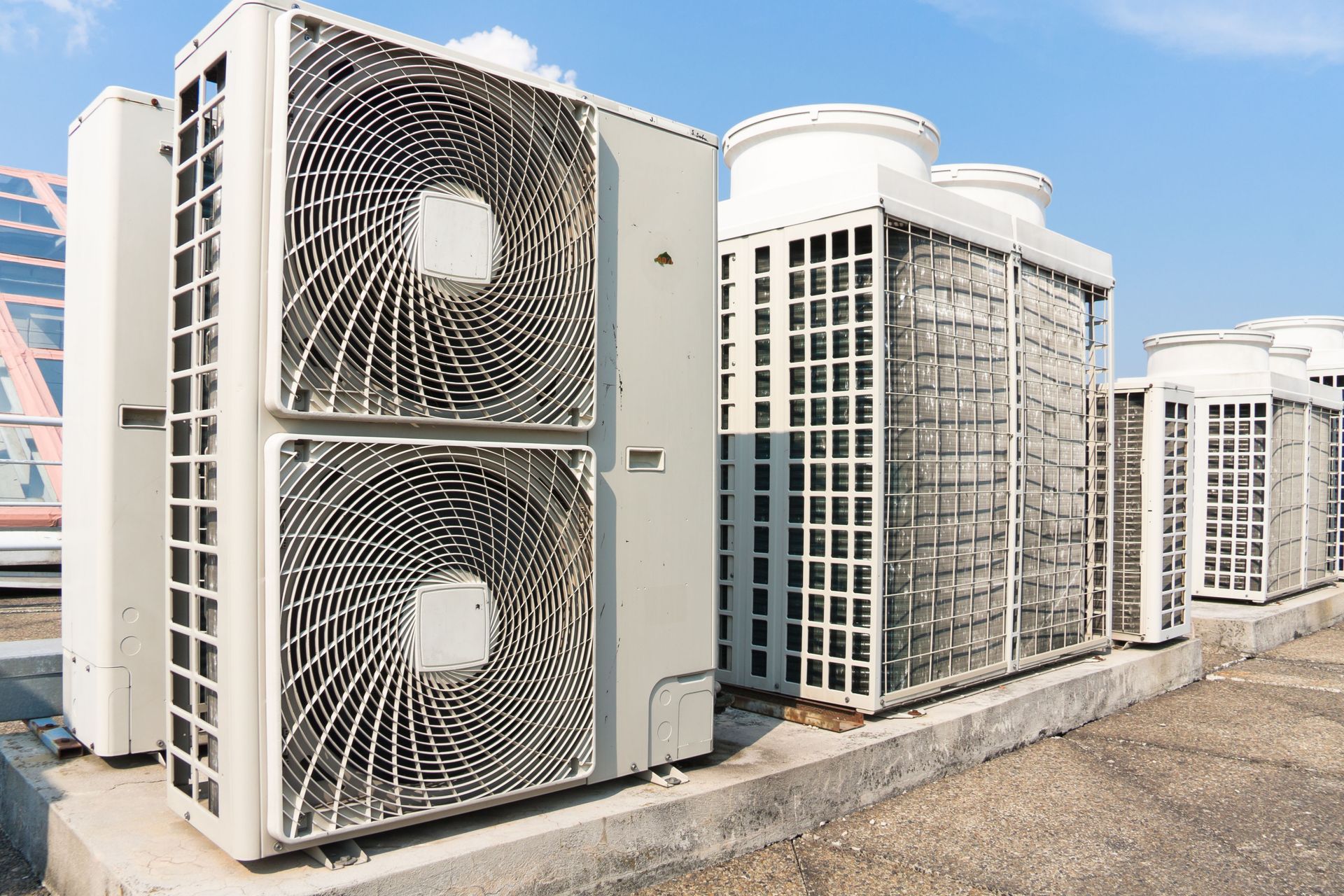
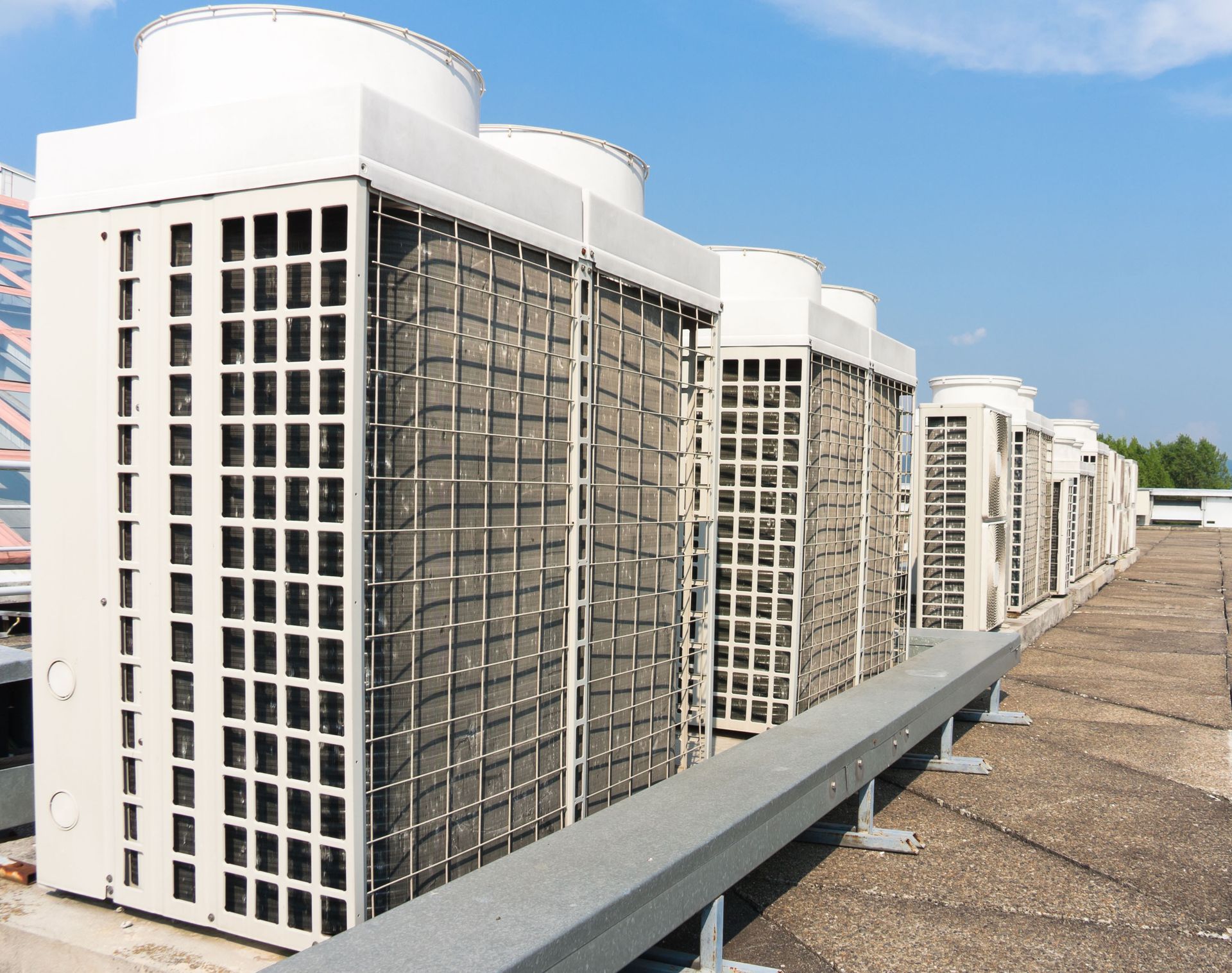
Maintaining a comfortable indoor environment is important for businesses of all sizes. Heating, ventilation, and air conditioning systems help regulate temperatures, manage airflow, and support indoor air quality throughout the year. When these systems experience problems, employees and customers may feel uncomfortable, and daily operations can become more difficult. Regular HVAC service helps businesses maintain their equipment, address developing problems, and create a more suitable indoor environment. Understanding the importance of commercial HVAC maintenance can help business owners protect their properties, manage operating costs, and support daily productivity.
Improving Indoor Comfort
Indoor comfort is important to daily business operations. Employees need comfortable conditions to focus, while customers may leave spaces that feel too hot or cold. A properly functioning HVAC system helps maintain consistent temperatures throughout the workday. Commercial buildings have different heating and cooling needs depending on their size, layout, and occupancy. Uneven temperatures can develop when some areas receive more sunlight or experience heavier use. Regular HVAC service helps identify performance issues and determine whether repairs or adjustments are needed. Comfortable indoor conditions also improve the experience for customers and visitors, helping businesses maintain a pleasant environment throughout the year.
Supporting Employee Productivity
The indoor environment can affect how employees feel and perform during the workday. Excessive heat, cold temperatures, and poor airflow can make it harder to concentrate on tasks. Employees may become distracted by uncomfortable conditions, particularly when indoor temperatures remain outside a comfortable range for extended periods. A functioning HVAC system helps create a more stable workplace environment. Proper temperature control and ventilation can make offices and other commercial spaces more comfortable for employees. Although comfort alone does not determine productivity, it can remove some of the environmental distractions that make daily responsibilities more difficult.
Routine maintenance can help businesses identify developing issues before they interfere with normal operations. Strange noises, inconsistent temperatures, reduced airflow, and frequent system cycling may indicate that equipment needs attention. Addressing these warning signs through professional HVAC service can help reduce unexpected interruptions and maintain more consistent indoor conditions. Businesses can also benefit from monitoring how their HVAC systems perform during periods of heavy use. Seasonal changes, increased occupancy, and longer operating hours can place additional demands on equipment. Professional evaluations help identify performance concerns and determine whether the system is meeting the building's current needs.
Reducing Operating Costs
Heating and cooling systems can account for a significant portion of a commercial property's energy use. When equipment operates inefficiently, businesses may face higher utility bills without receiving the expected level of indoor comfort. Dirty components, restricted airflow, worn parts, and other performance problems can cause systems to work harder than necessary. Regular maintenance helps identify conditions that may contribute to unnecessary energy consumption. A technician can evaluate system performance, check important components, and recommend appropriate corrections. These steps can help a commercial HVAC system operate more effectively and reduce avoidable energy waste.
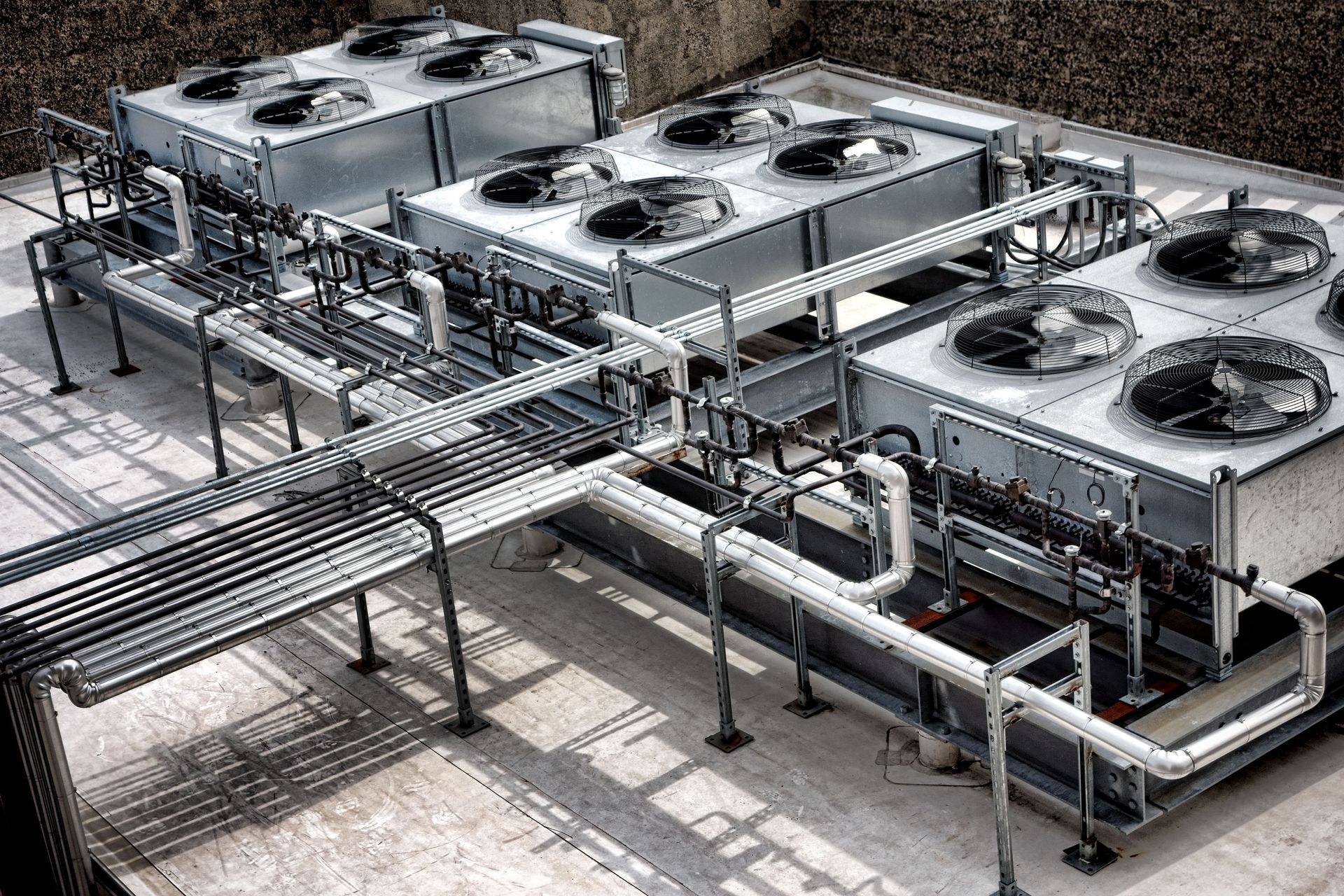
HVAC service can also help businesses plan for maintenance expenses instead of responding only when equipment stops working. Emergency repairs may require immediate attention and disrupt normal operations. Although routine maintenance cannot prevent every equipment failure, it can help identify certain problems before they become more serious. Commercial HVAC systems are an important part of the building services industry. According to Workyard, the commercial HVAC sector makes up roughly 30% of the market. This figure highlights the role commercial heating and cooling systems play across business properties and the broader HVAC industry. For individual businesses, maintaining these systems can be an important part of managing building expenses and supporting long-term operations.
Protecting Equipment
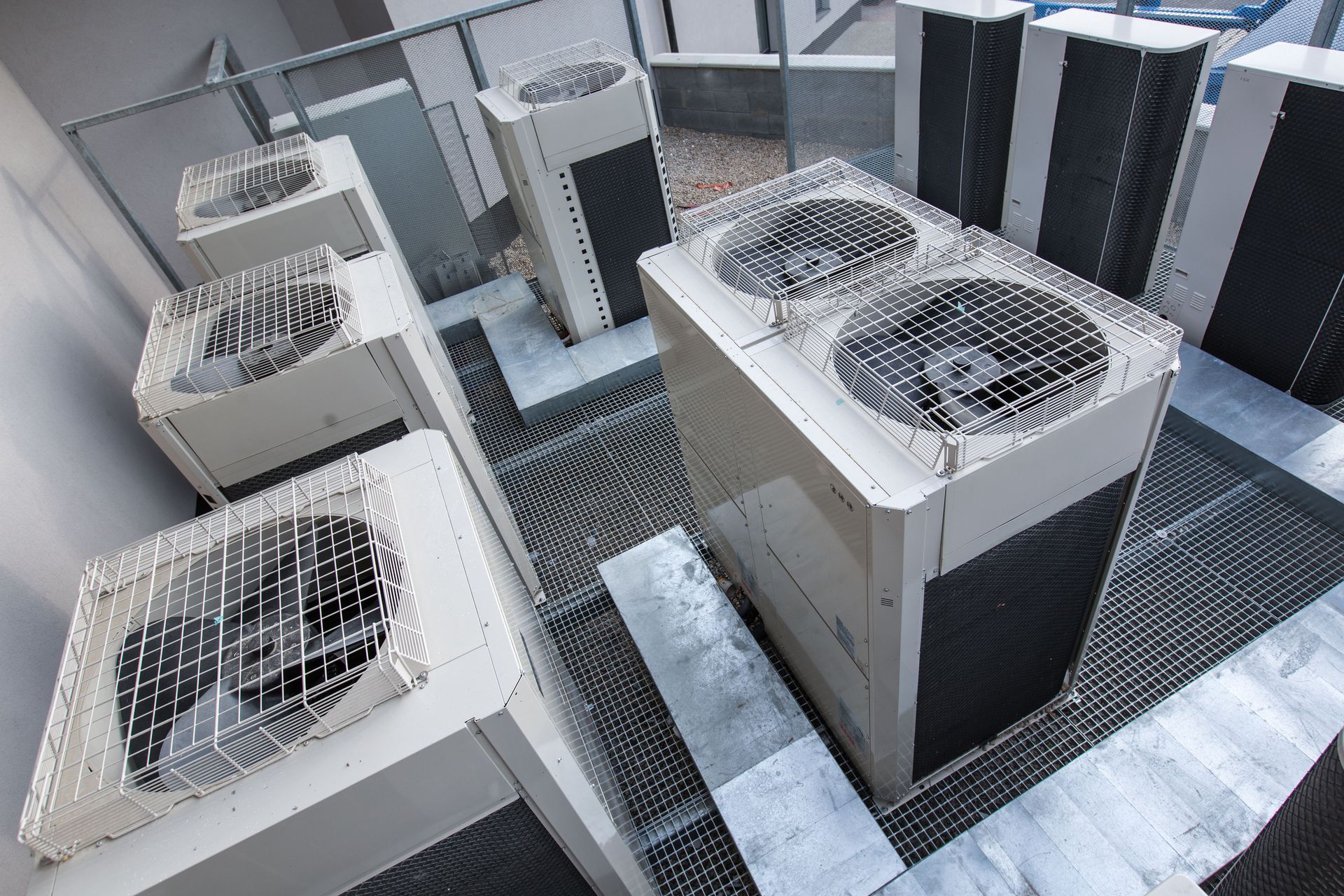
Commercial HVAC equipment represents a significant investment for many businesses. Like other mechanical systems, heating and cooling equipment experiences wear as it operates over time. Dust, restricted airflow, damaged components, and neglected maintenance can affect performance and contribute to premature equipment problems. Routine inspections allow technicians to evaluate the condition of important system components. Identifying unusual wear, airflow problems, or other concerns can help businesses address issues before they cause more extensive damage. Professional maintenance also provides an opportunity to review how the system operates under normal conditions and identify changes that may require attention.
Proper care can help extend the useful life of commercial HVAC equipment. While every system eventually requires replacement, consistent maintenance may reduce unnecessary strain and help preserve its performance over time. The actual service life depends on several factors, including equipment quality, operating conditions, maintenance history, and the demands placed on the system. Businesses should also consider the age and repair history of their HVAC equipment when planning future expenses. Repeated breakdowns or declining performance may indicate that a system needs more extensive attention. A professional assessment can help determine whether continued repairs remain practical or whether replacement should be considered as part of a long-term facility plan.
Maintaining Indoor Air Quality
Indoor air quality is another important consideration for commercial properties. Employees, customers, and visitors spend time inside buildings where ventilation and air movement influence the indoor environment. Poor airflow, excess moisture, and accumulated airborne particles can contribute to uncomfortable conditions and affect the overall quality of indoor spaces. Commercial HVAC systems help circulate air and support ventilation. When these systems are not operating properly, some areas may receive insufficient airflow, while moisture-related problems can develop in certain conditions. Regular inspections can help identify ventilation concerns and determine whether system maintenance or other corrective work is needed.
Keeping HVAC equipment in good working condition can support more consistent air circulation. Depending on the building and system design, professional maintenance may include checking airflow, examining ventilation components, and identifying conditions that could affect indoor air quality. Businesses should also consider other factors, such as cleaning practices, occupancy levels, and sources of indoor pollutants. HVAC service is particularly important for businesses that experience changing occupancy or have spaces with different ventilation requirements. A professional contractor can evaluate whether the existing system is operating as intended and recommend adjustments when necessary. Addressing these concerns can help businesses maintain a more comfortable indoor environment for employees and visitors.
Preventing Operational Disruptions
Unexpected HVAC problems can interfere with business activities. A heating failure during cold weather or an air conditioning problem during a hot period may make certain areas uncomfortable or difficult to use. Depending on the business, these conditions can affect employees, customers, inventory, equipment, and scheduled activities. Commercial properties may also rely on consistent indoor temperatures to support daily processes. When heating or cooling equipment stops working, businesses may need to adjust operating hours, relocate employees, or temporarily limit access to certain spaces. These interruptions can create additional expenses and affect normal productivity.
Preventive maintenance can help reduce the likelihood of some unexpected problems. Scheduled inspections give technicians an opportunity to identify developing concerns, evaluate equipment performance, and recommend necessary repairs. Businesses can then plan the work around operating schedules when possible rather than waiting for a breakdown to require immediate attention. Working with a qualified HVAC contractor can also help businesses respond more effectively when problems occur. Professional evaluations can identify the likely source of an issue and determine the appropriate next steps. A consistent maintenance plan provides a clearer understanding of system condition and helps property managers make informed decisions about repairs.
Commercial HVAC systems support indoor comfort, employee productivity, and energy management. Regular maintenance helps identify problems early, improve indoor air quality, and reduce unexpected equipment issues. A proactive approach can also help businesses manage costs and maintain a comfortable environment. Contact Hale's Mechanical to discuss your commercial HVAC service needs and support your business operations.