April 28, 2026
In commercial environments across the Kansas City Metropolitan Area, the first cold snap consistently exposes weaknesses in heating systems that have been idle for months. This transition period places sudden stress on components, airflow systems, and control settings that have not been tested under load since the previous season. Facilities that rely on uninterrupted heating often discover that small issues quickly escalate once demand spikes. This is where structured planned maintenance and responsive support become essential for operational continuity.
Through our work delivering planned HVAC maintenance, HVAC services and repairs, commercial equipment and replacement, HVAC construction services, and indoor air quality solutions, we see a clear pattern each year. Systems that were not checked before seasonal activation are the ones most likely to fail under pressure. That’s why licensed technicians and after-hours emergency support play a critical role when temperatures drop quickly. Preventive attention is not optional during seasonal transitions—it determines whether systems stabilize or fail.
1. Address Lack Of Regular Maintenance And System Readiness
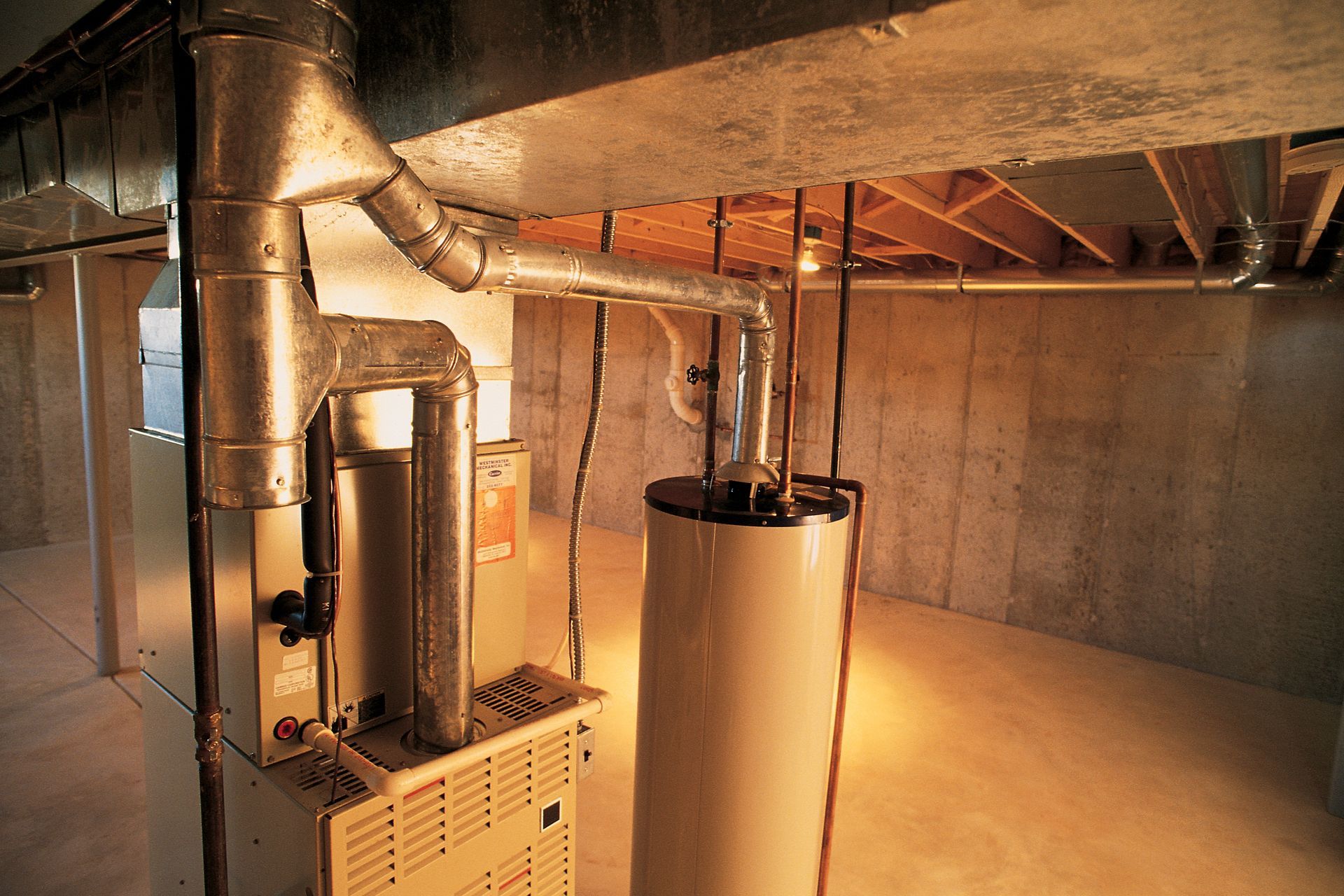
When furnaces sit idle through warmer months, internal components gradually shift out of optimal operating condition. Dust settles, seals stiffen, and ignition systems become less responsive under sudden load. Without structured oversight, these conditions remain hidden until the first demand for heat reveals them.
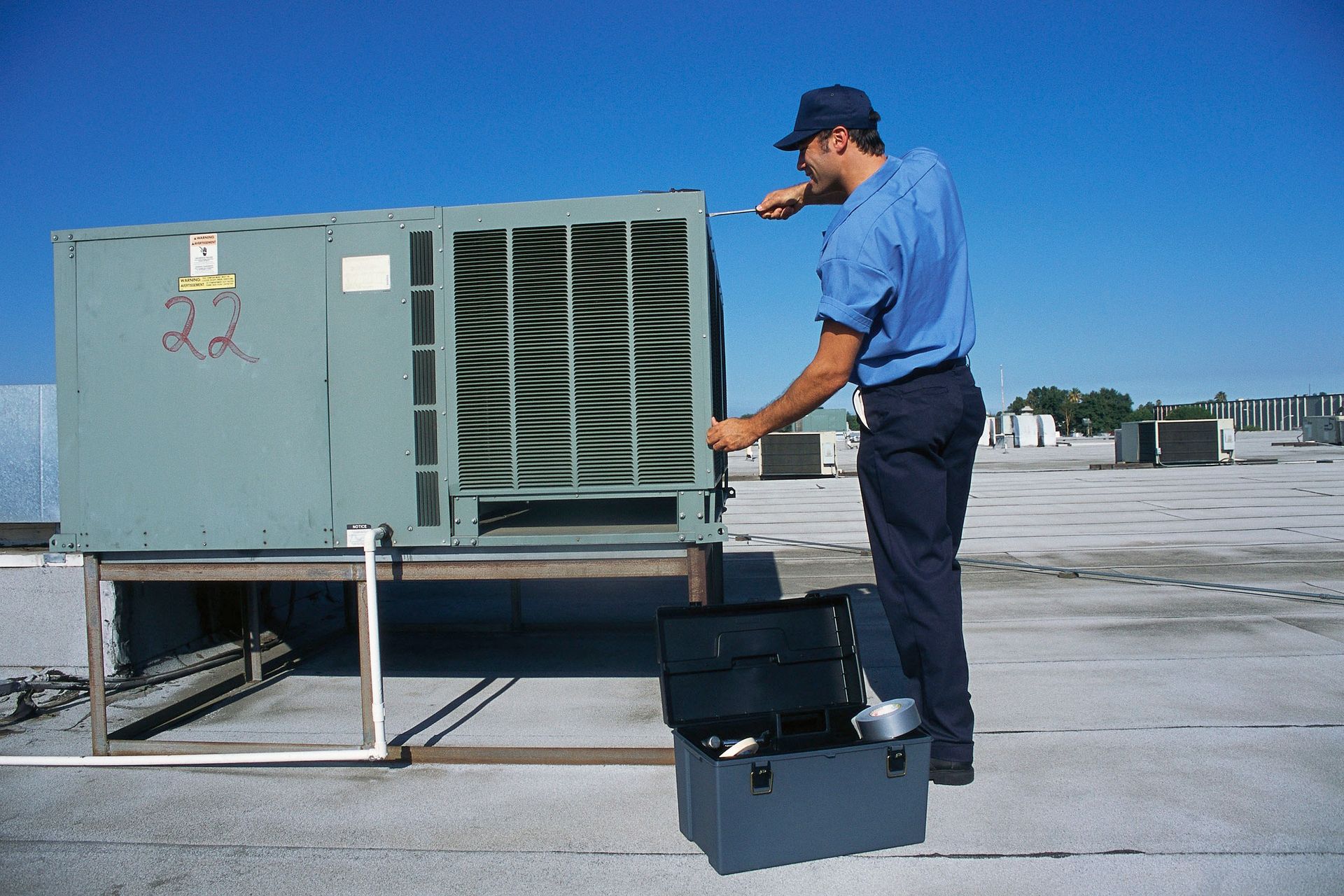
We provide HVAC services before seasonal changeovers specifically to reduce this risk, ensuring systems are inspected, tested, and prepared for continuous operation. One of the most common findings during these evaluations is that minor inefficiencies have developed into performance constraints that only appear under load. HVAC service at this stage is less about reaction and more about preventing predictable failures.
We also see that skipped maintenance cycles often result in uneven heating distribution and system strain. HVAC service interventions during early fall help correct airflow imbalances and verify that safety controls are functioning properly. This is especially important for commercial facilities where consistent performance is non-negotiable.
According to The Spruce, a furnace is most likely to fail during the first cold night after sitting idle all summer. That timing aligns directly with what we see in field conditions, where dormant systems are suddenly pushed into full operation without a gradual ramp-up. HVAC services at this stage help reduce that shock load and stabilize performance before sustained cold weather arrives.
2. Manage Increased Demand And Sudden Temperature Swings
Early-season cold fronts rarely arrive gradually, and that abrupt shift forces heating systems into immediate high output. Furnaces that have not been exercised recently must quickly transition from inactivity to continuous operation. This sudden demand exposes weak points in combustion systems, airflow components, and control calibration.
We rely on HVAC services planning to prepare systems for these rapid changes, ensuring they can handle load spikes without interruption. In commercial environments, even short periods of underperformance can impact productivity and occupant comfort. HVAC services before and during seasonal transitions help balance system output with building demand.
Temperature swings also create cycling stress, where equipment repeatedly turns on and off within short intervals. This pattern accelerates wear on critical components and reduces overall system stability. HVAC services checks help confirm that thermostatic controls and staging functions are responding correctly under fluctuating conditions.
By stabilizing performance early, we reduce the likelihood of emergency breakdowns during peak usage periods. HVAC services in this phase are focused on ensuring that demand does not exceed the system’s immediate recovery capacity.
3. Address Dust And Debris Buildup In Idle Systems
When heating systems remain inactive for months, internal airflow pathways naturally accumulate dust and particulate buildup. Once the operation resumes, that material begins circulating through filters, ducts, and mechanical assemblies. This creates resistance that forces the system to work harder than necessary.
We incorporate HVAC service inspections that focus heavily on airflow efficiency and internal cleanliness before systems are fully reactivated. HVAC service at this stage helps restore proper airflow balance and prevents unnecessary strain on blower assemblies and heat exchangers. This is especially important in commercial HVAC systems where runtime is significantly higher than residential use.
Debris accumulation can also restrict ventilation pathways, reducing system efficiency and increasing energy consumption. HVAC service evaluations allow us to identify early signs of blockage and correct them before they escalate into mechanical stress points.
Indoor air quality is also directly impacted during this phase, which is why we integrate HVAC services with filtration and ventilation assessments. Cleaner airflow not only supports equipment longevity but also improves occupant comfort during extended heating cycles.
4. Evaluate Wear And Tear In Aging Heating Systems
As heating systems age, their components naturally lose efficiency and responsiveness. Motors, sensors, and ignition assemblies become less reliable under continuous seasonal load. This decline is often not noticeable until the system is pushed into full operation after months of inactivity.
We use HVAC service diagnostics to evaluate performance stability in older systems before cold weather fully sets in. HVAC service allows us to identify whether components are still operating within safe and efficient thresholds or if replacement planning is needed. In commercial environments, this evaluation is critical for avoiding unexpected downtime.
Age-related decline often appears first as inconsistent heating or increased runtime cycles. HVAC services help determine whether these symptoms are caused by mechanical wear or control misalignment. Addressing these issues early helps extend system lifespan and reduce operational costs.
For many facilities, this stage becomes a decision point between continued repair strategies and system replacement planning. HVAC services insights provide the data needed to make that decision with confidence.
5. Resolve Thermostat And Control System Inconsistencies
Control systems play a central role in how efficiently a furnace responds to changing temperature demands. When calibration drifts or sensors become inaccurate, the system may cycle incorrectly or fail to maintain stable temperatures. These inconsistencies become more noticeable during the first sustained cold period.
We provide HVAC services support to ensure that control systems are accurately calibrated and communicating properly with heating equipment. HVAC service includes verification of sensor accuracy, response timing, and system feedback loops to ensure stable operation. Without this alignment, even a fully functional furnace can perform poorly.
Modern systems increasingly rely on programmable and smart controls, which require periodic validation to maintain efficiency. HVAC services ensure that scheduling logic and temperature thresholds are still aligned with building usage patterns.
When control issues are resolved early, overall system efficiency improves significantly. HVAC services in this area focus on restoring predictability and reducing unnecessary runtime.
6. Inspect Pilot Light And Ignition System Reliability
Ignition systems are among the most sensitive components during seasonal startup. After long periods of inactivity, pilot assemblies and electronic ignition systems may struggle to initiate consistent combustion. This is one of the most common failure points when cold weather first arrives.
We address this through HVAC services inspections that test ignition reliability under controlled startup conditions. HVAC services help confirm that flame sensors, gas delivery, and ignition timing are all functioning correctly before full demand begins. This reduces the risk of sudden shutdowns during peak heating periods.
In commercial systems, ignition instability can quickly escalate into broader operational disruptions. HVAC services ensure these systems are stabilized before continuous runtime begins. This is particularly important for facilities that depend on uninterrupted heating during business hours and overnight occupancy.
By identifying ignition issues early, we help prevent emergency breakdown scenarios that require immediate response. HVAC service at this stage is focused on reliability, safety, and continuity.
In the Kansas City Metropolitan Area, seasonal heating transitions require a proactive approach that prioritizes system readiness over reactive repairs. Our licensed team supports facilities with planned HVAC maintenance, HVAC services and repairs, commercial equipment and replacement, HVAC construction services, and indoor air quality solutions, along with after-hours emergency services when needed. Each layer of support is designed to reduce downtime and improve long-term system performance.
We also provide free site surveys to help facilities understand current system conditions before cold weather intensifies. These assessments often reveal small inefficiencies that can be corrected before they escalate into costly failures. For commercial HVAC systems, timing is everything during seasonal changeovers.
Reliable heating performance is not accidental; it is the result of structured preparation and consistent oversight. Hale’s Mechanical delivers the expertise and responsiveness needed to keep systems operating when demand is highest, ensuring comfort and continuity throughout the cold season.